Generative model
DynoM ↗
A conditional diffusion model for exploring protein conformational ensembles, with native support for multi-chain inputs.
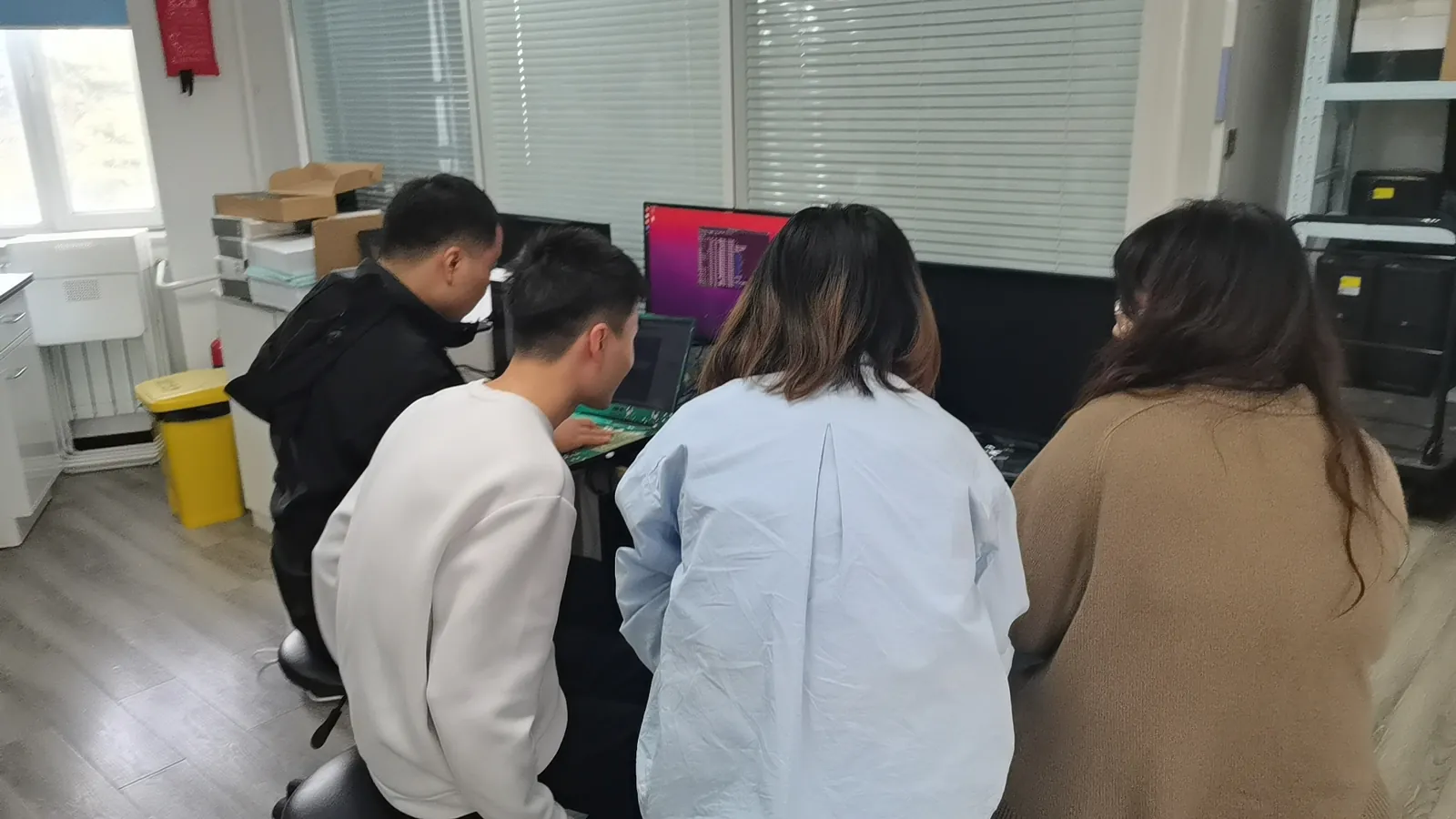
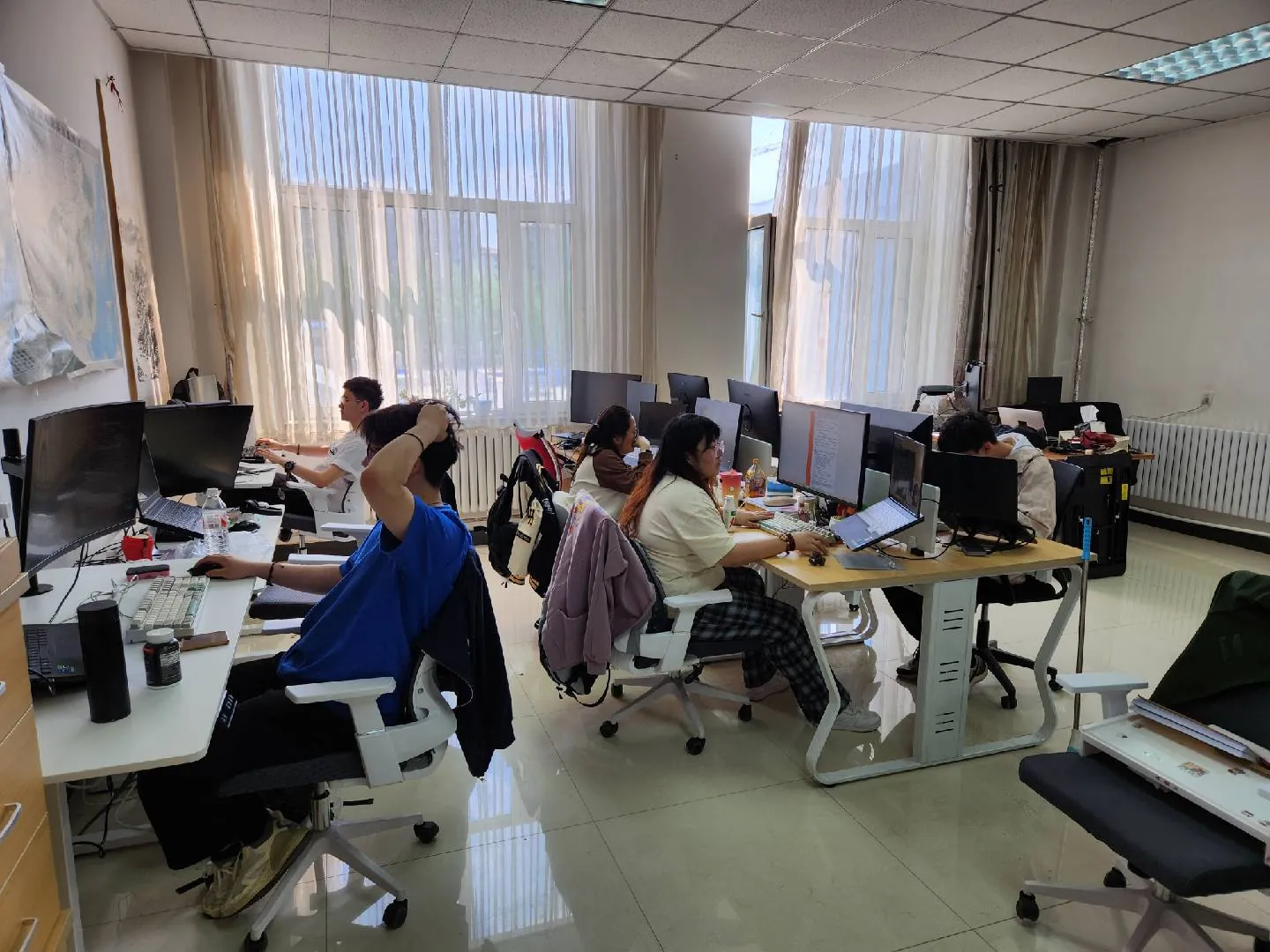
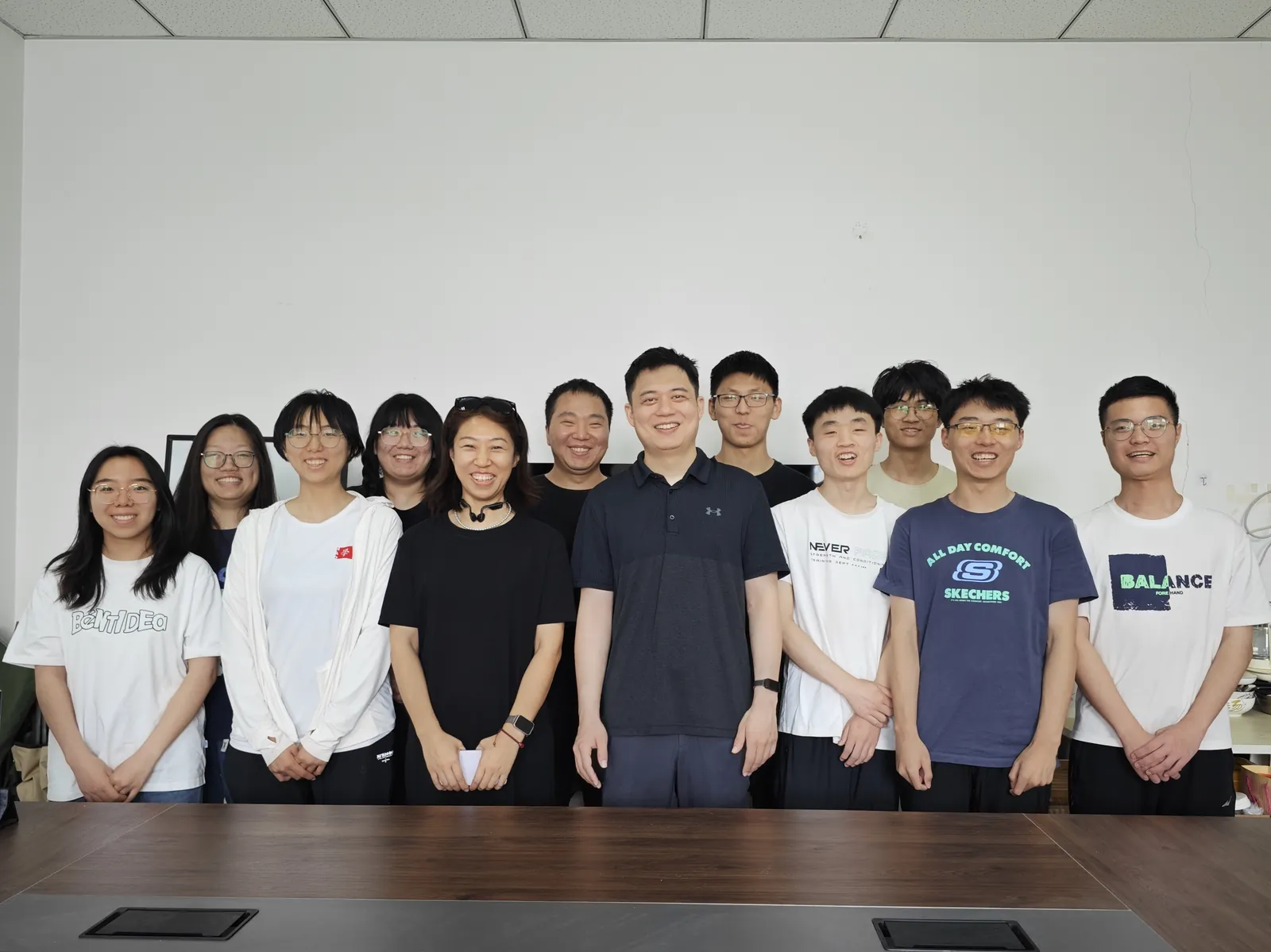
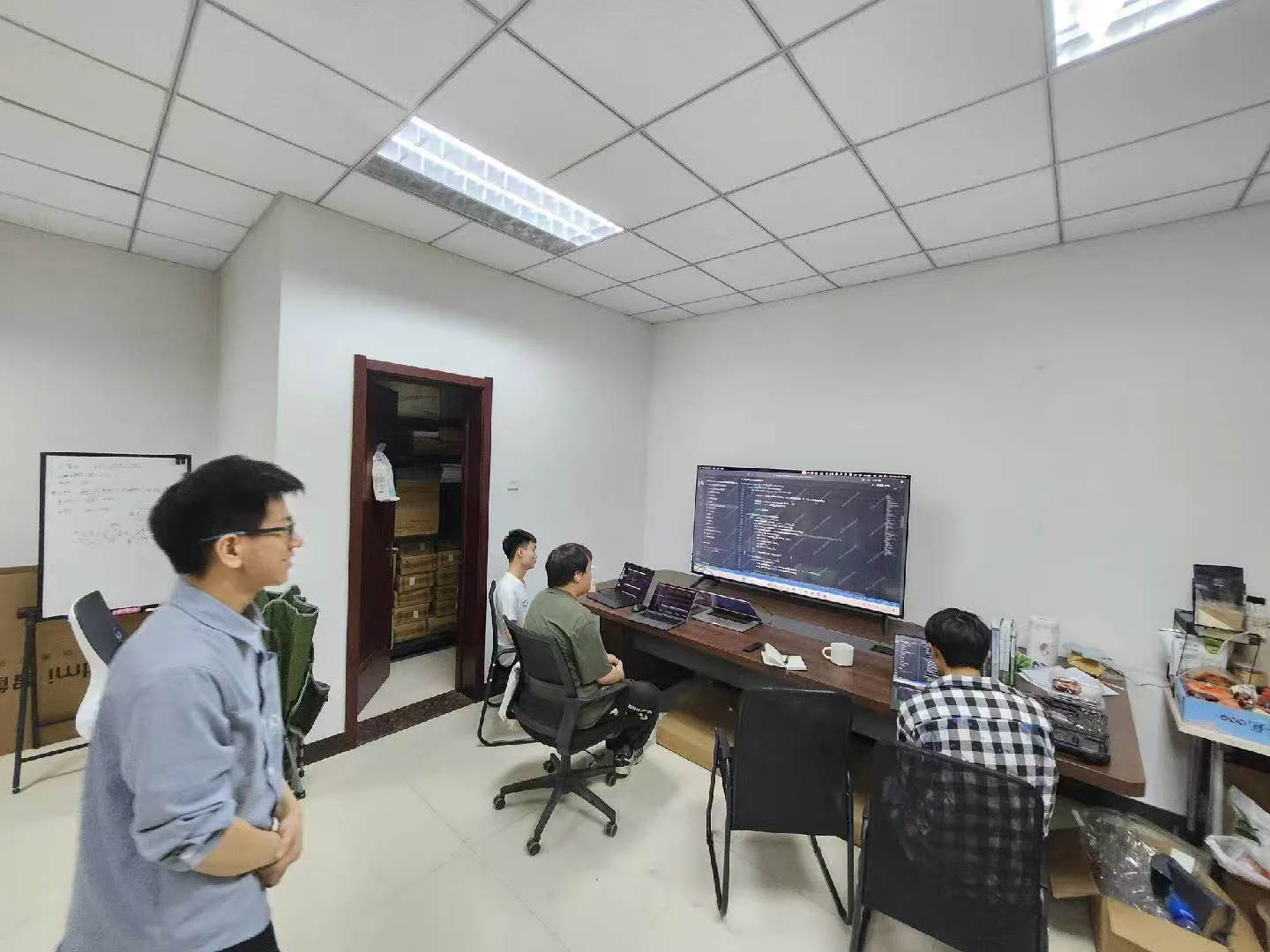
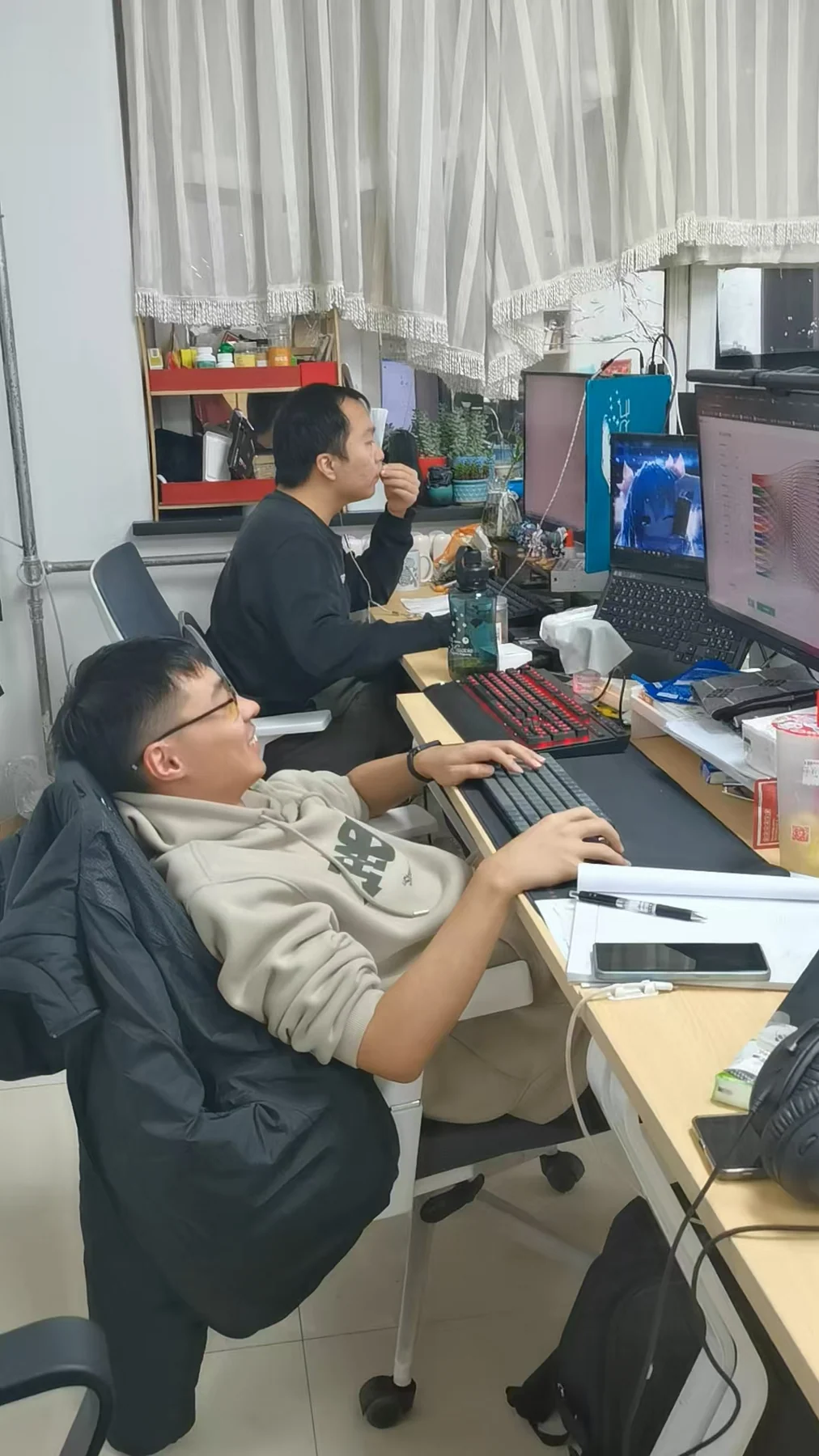
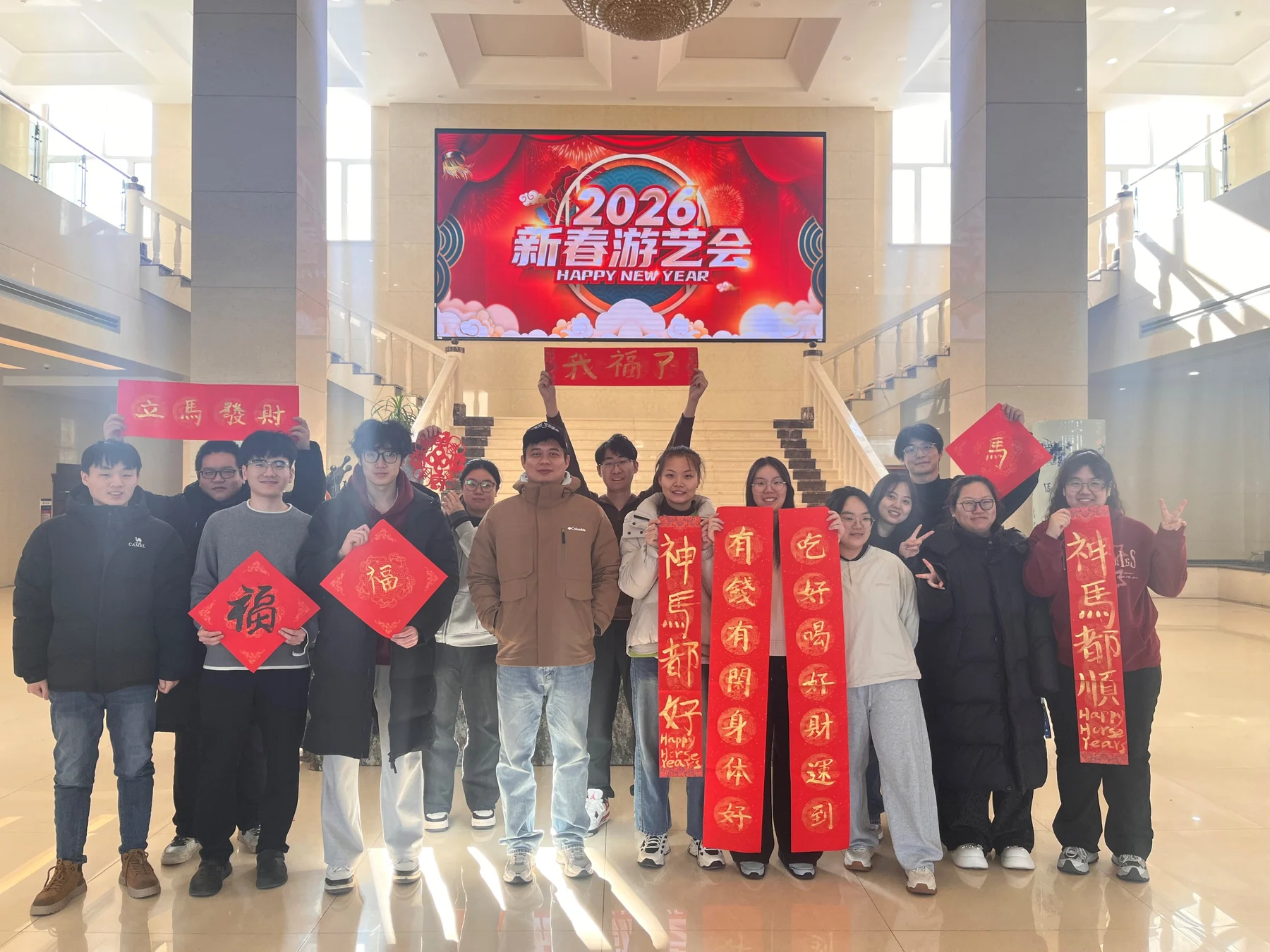
 Together in the lab
 Together on the basketball court
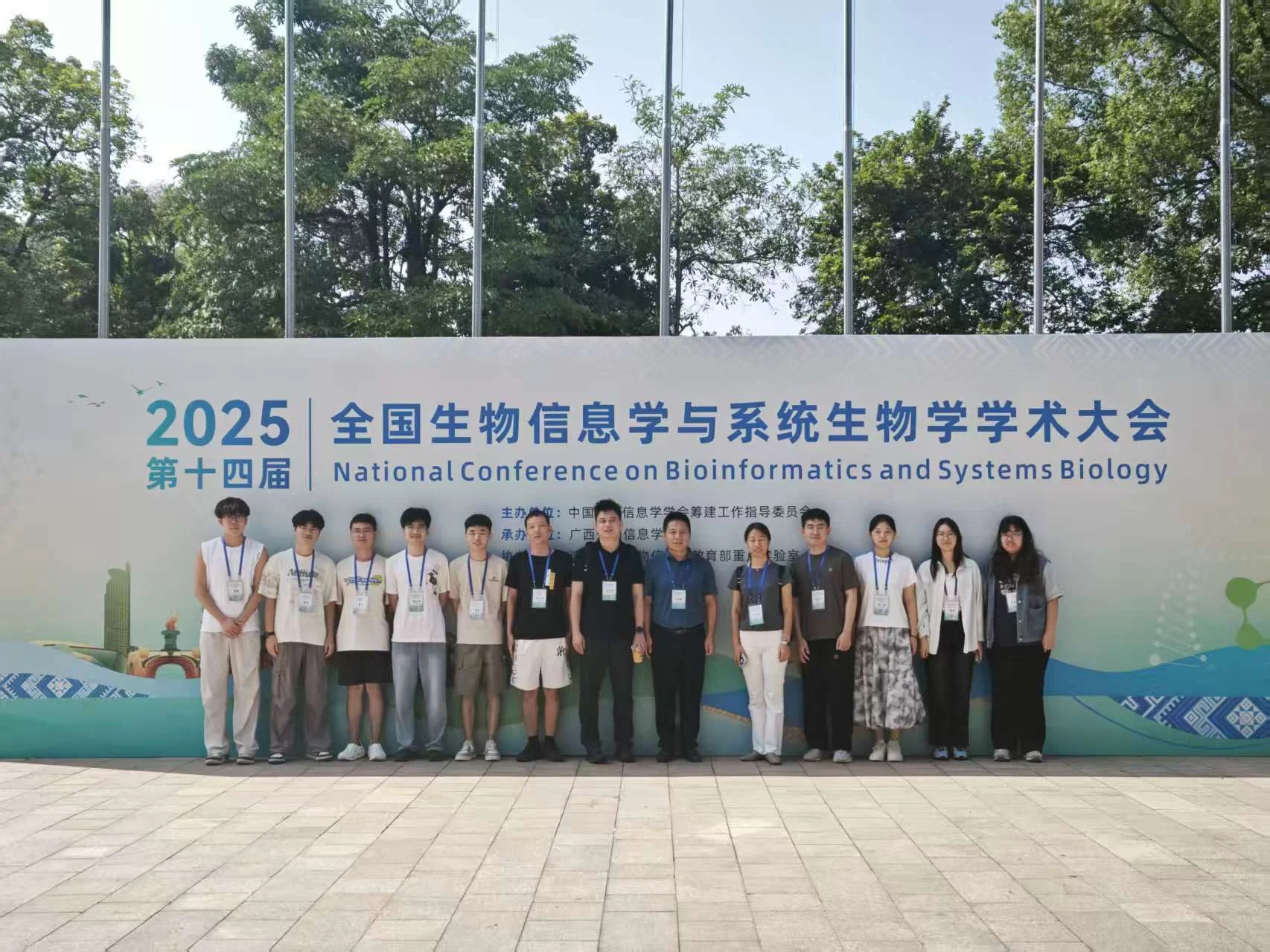
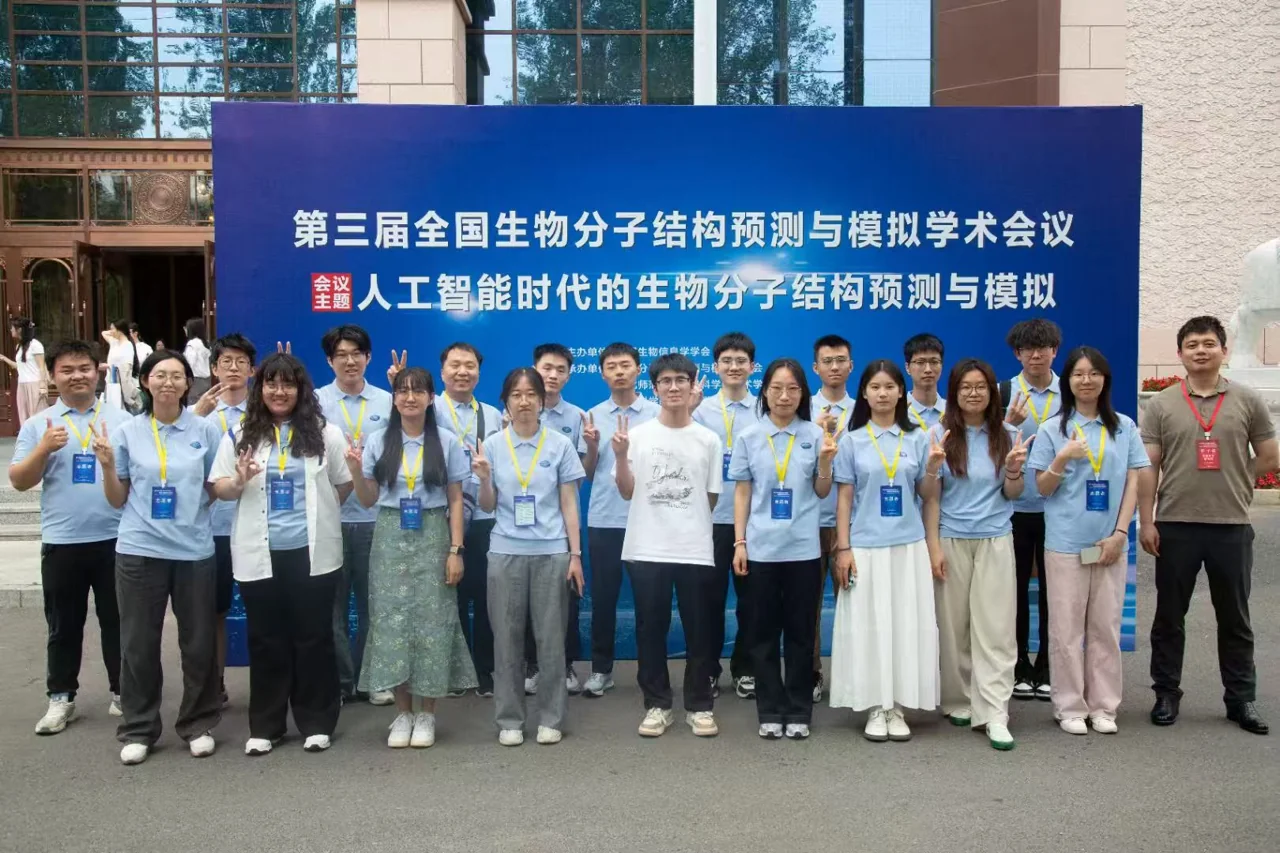
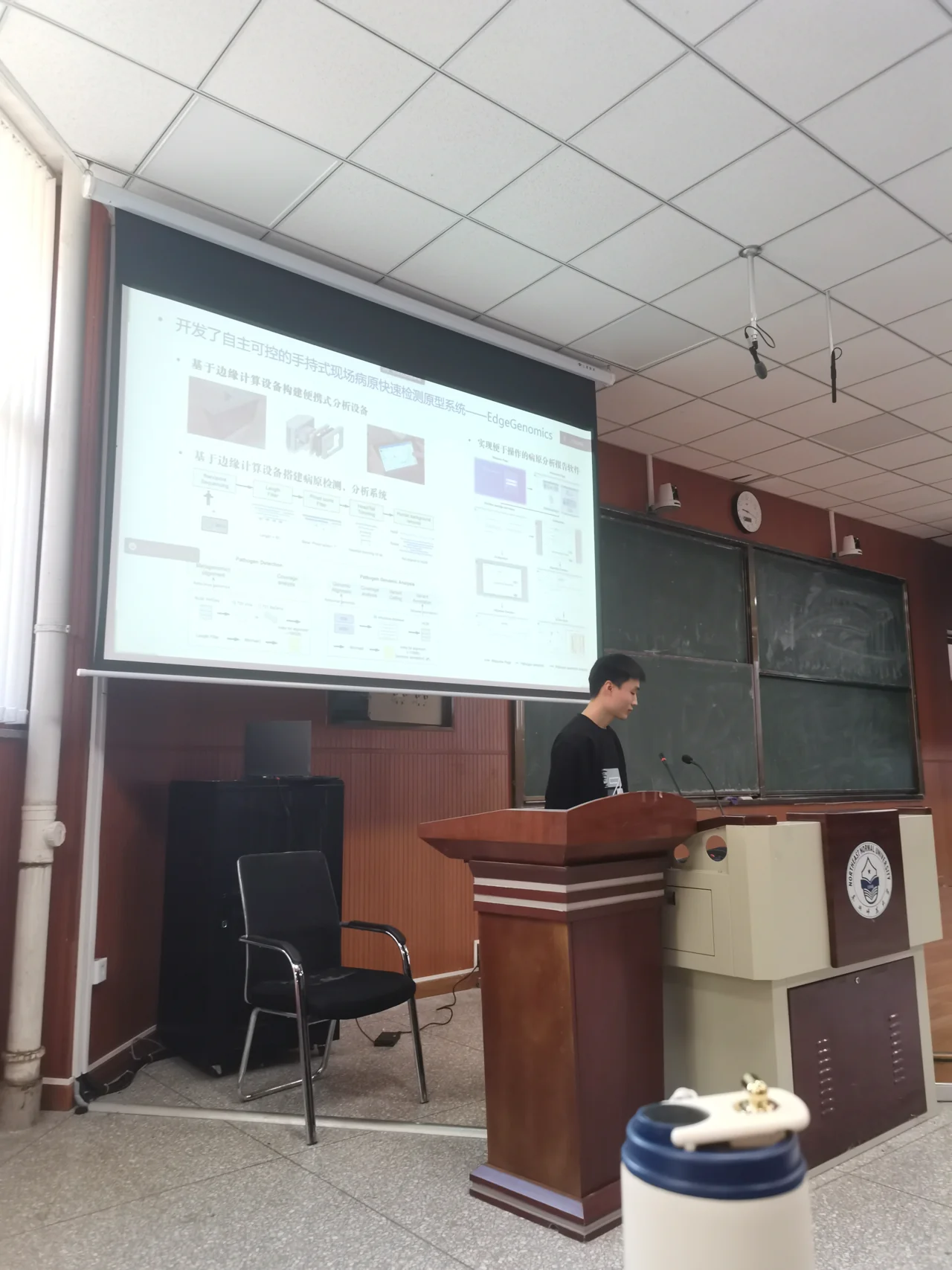
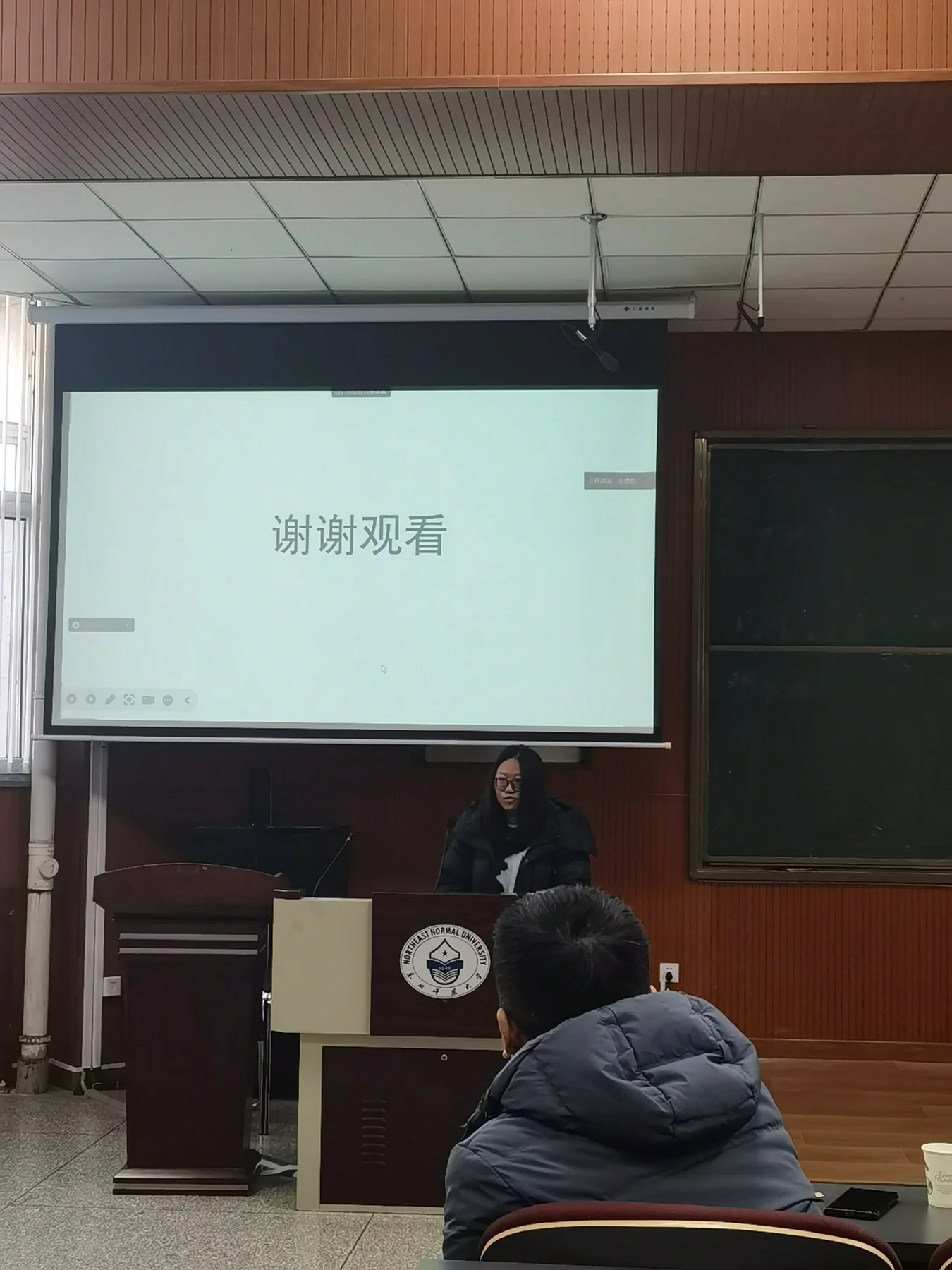
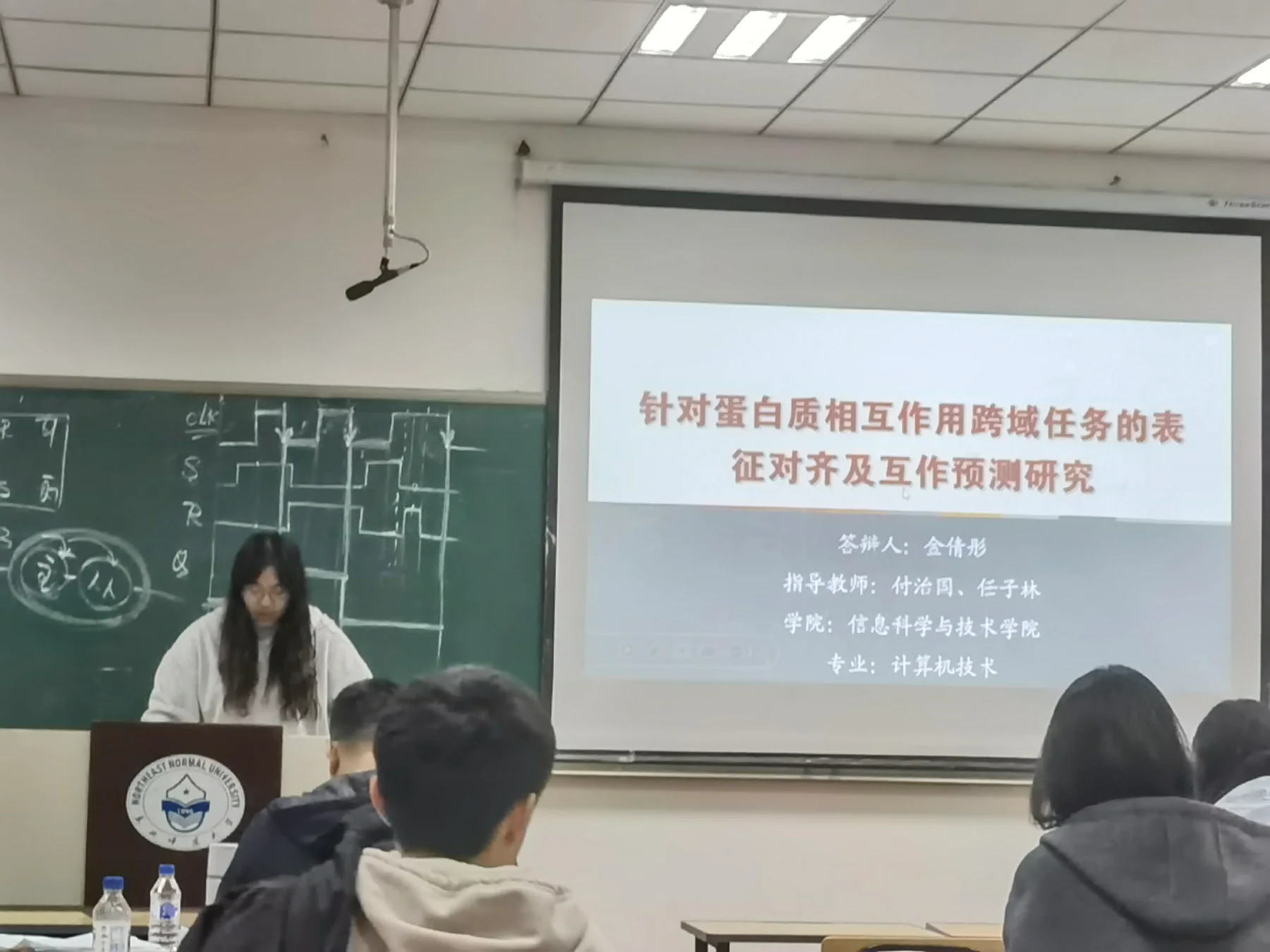
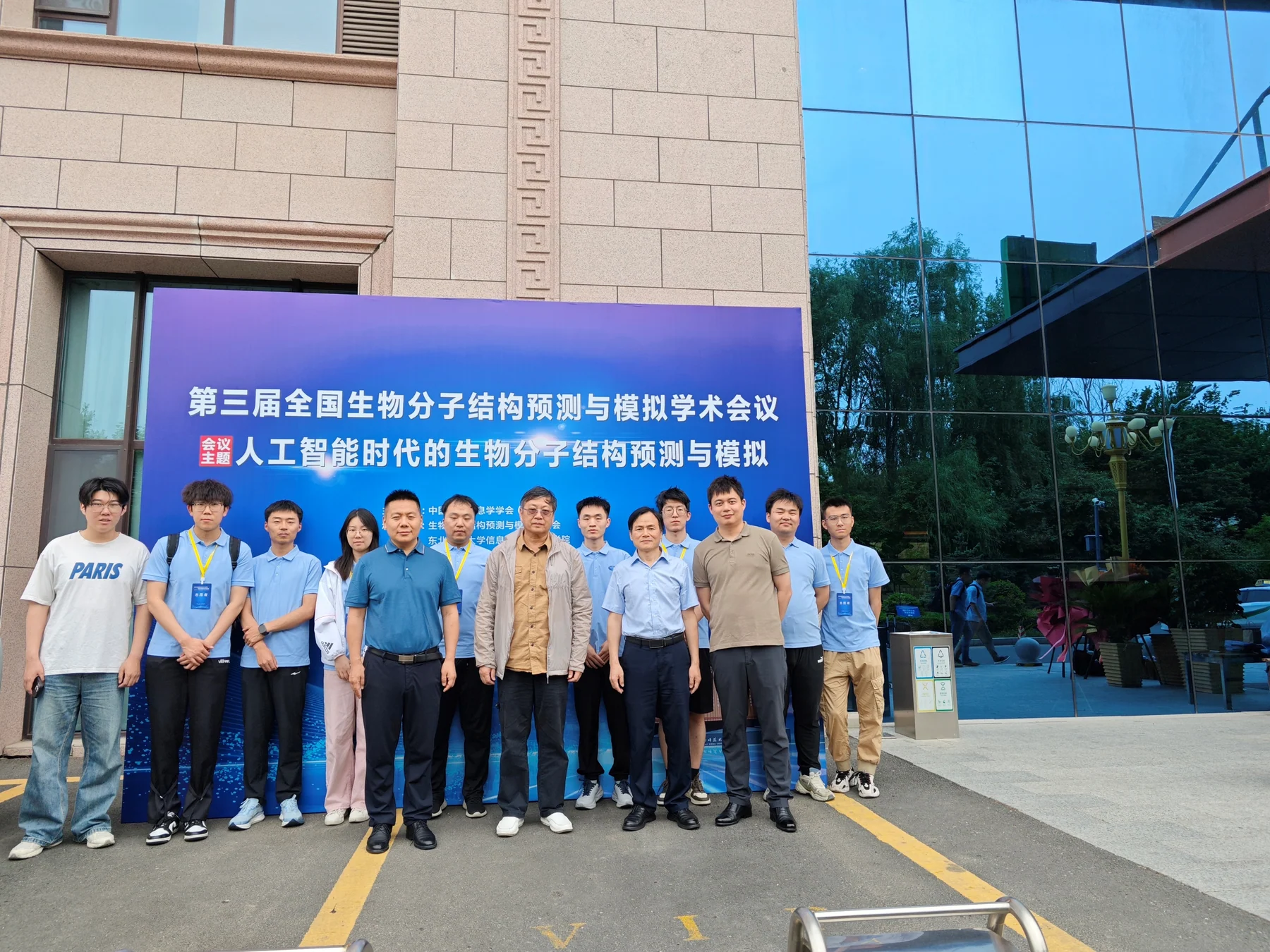
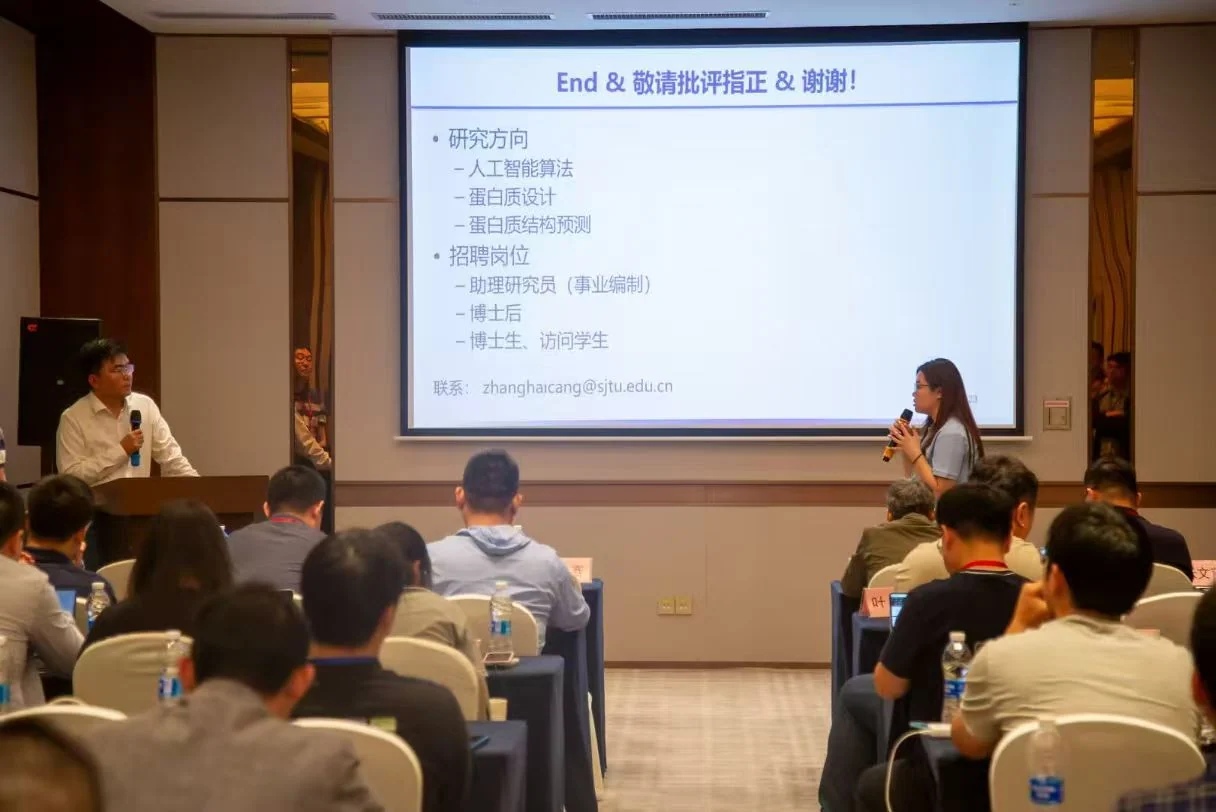
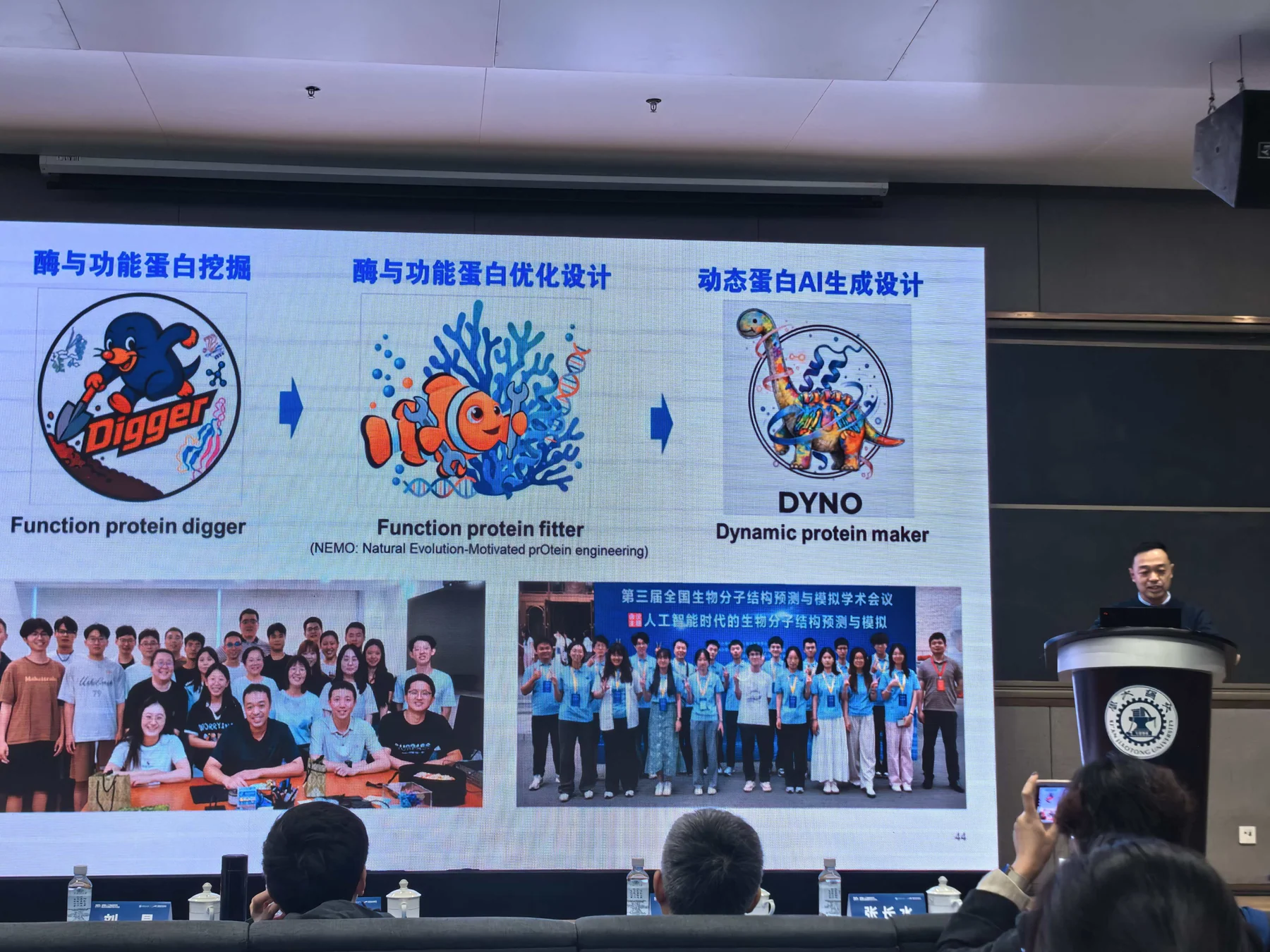
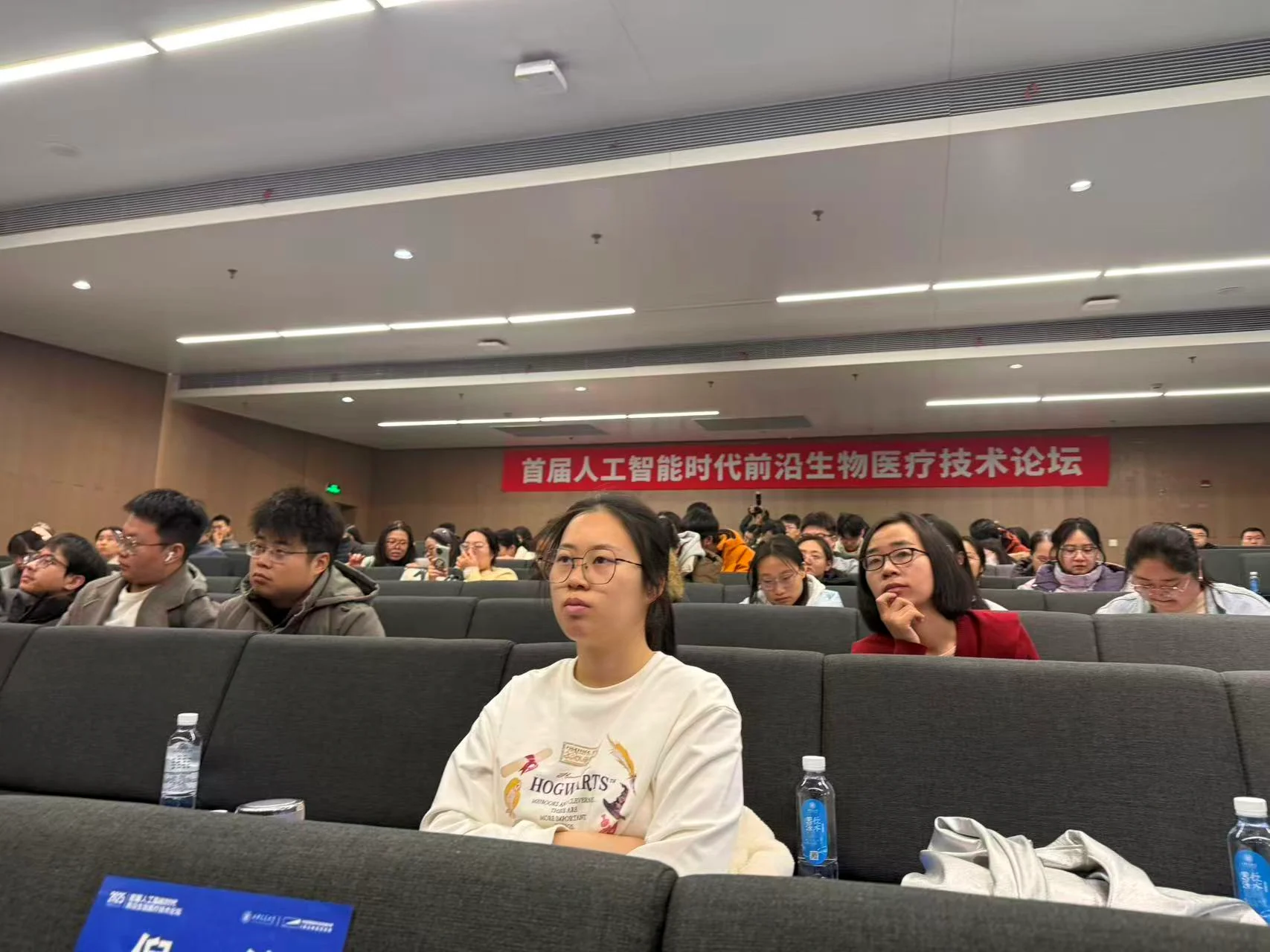
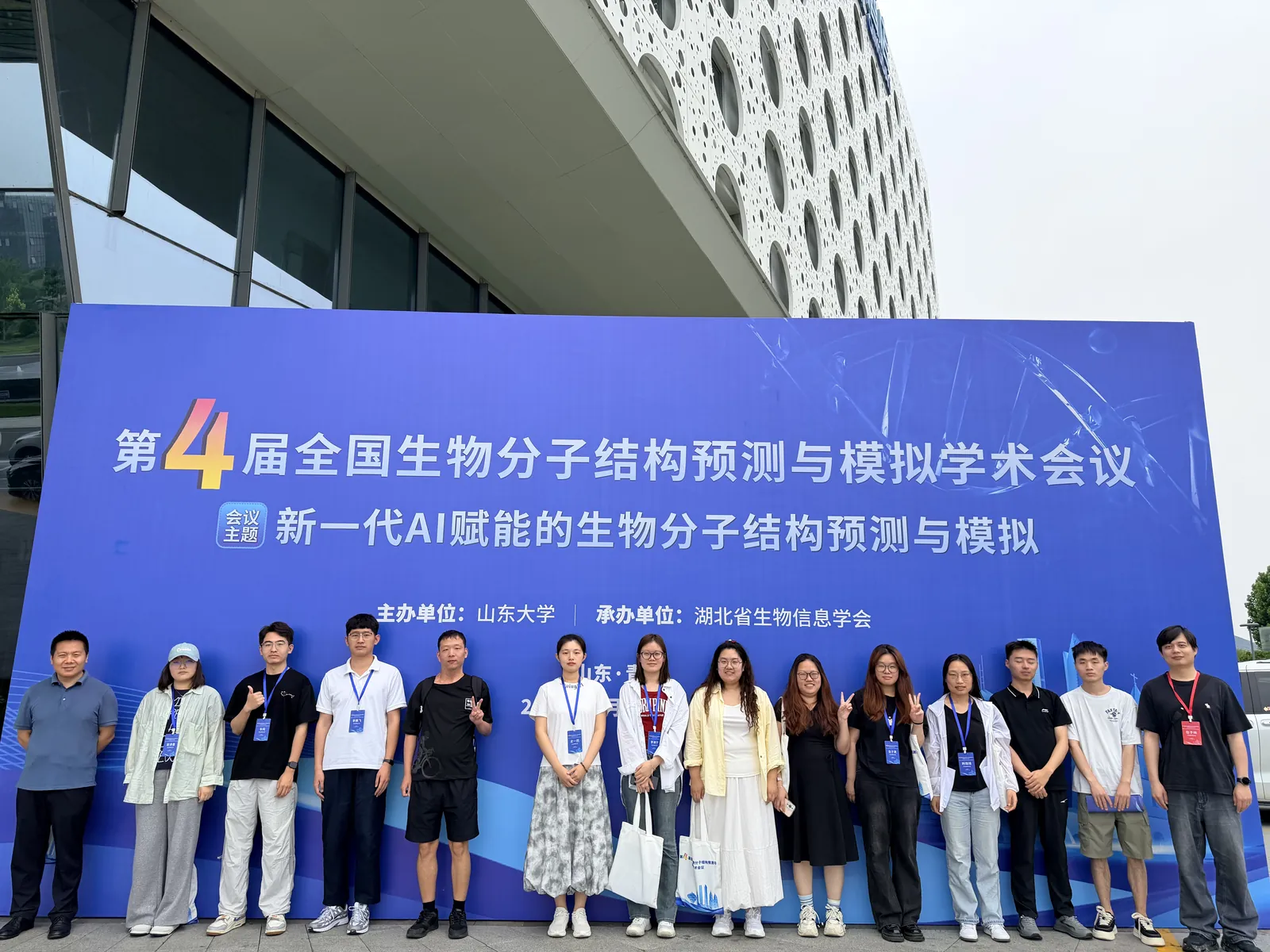 Biomolecular structure prediction and simulation conference
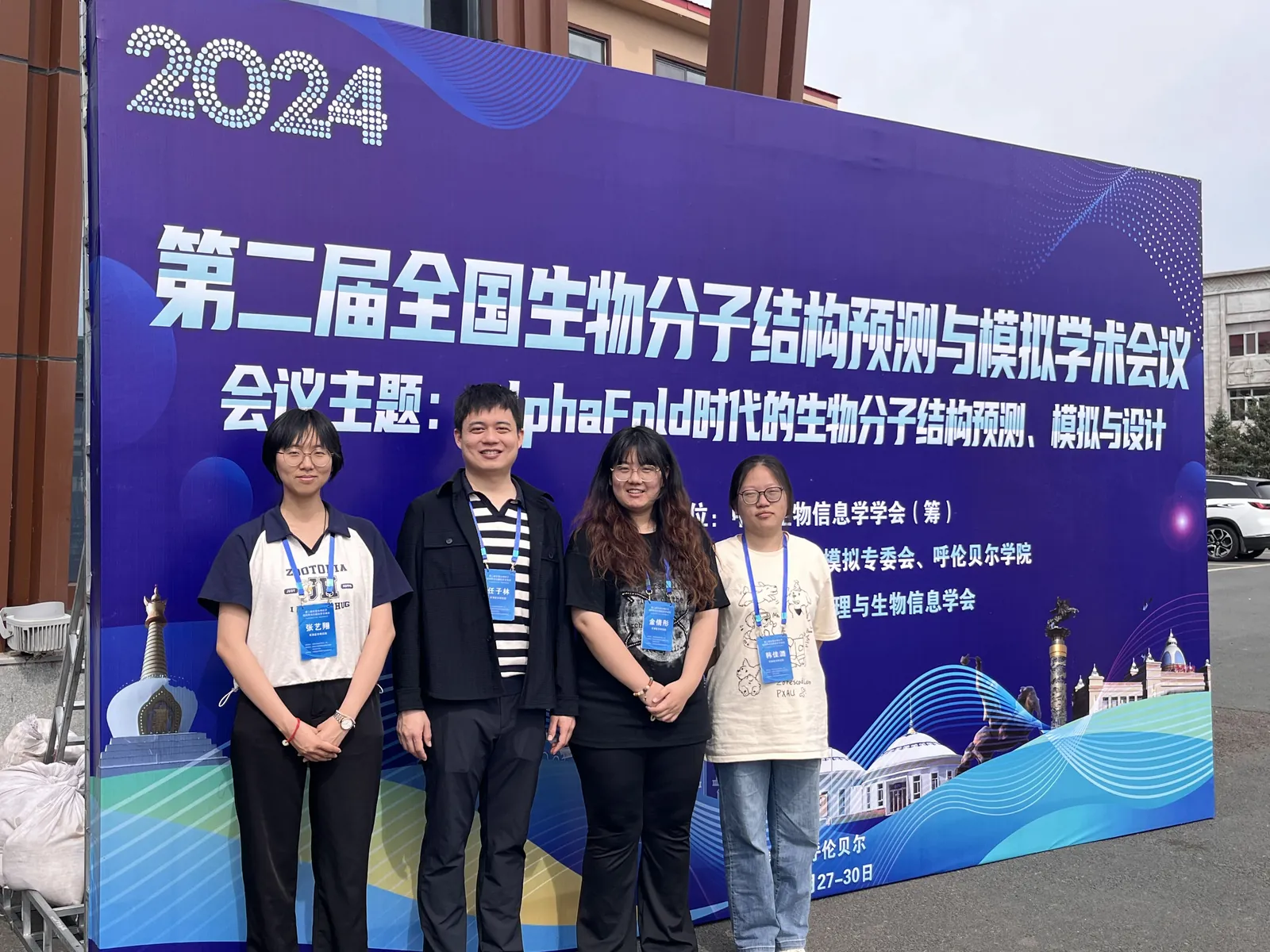 Biomolecular structure conference, 2024
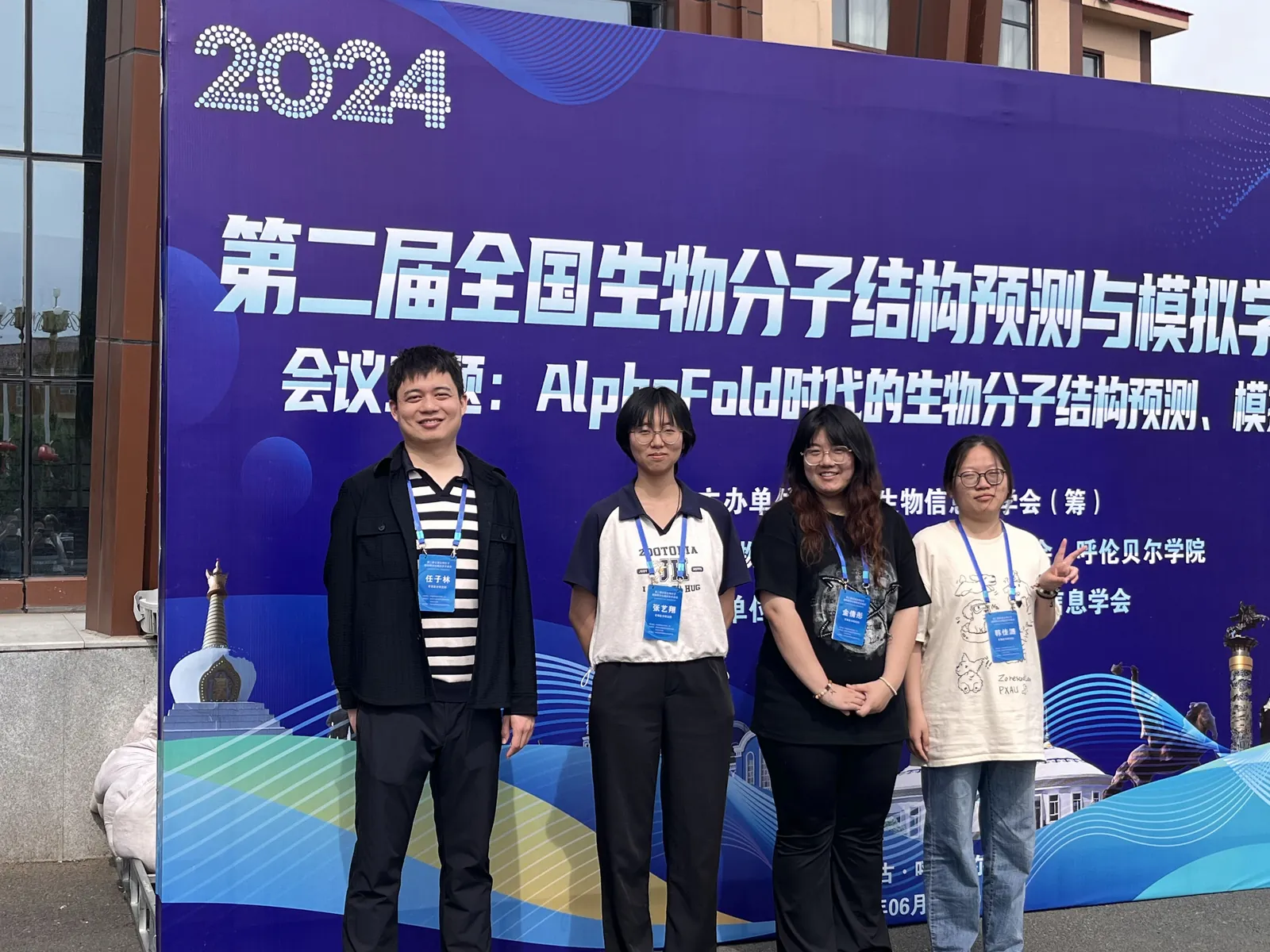 At the 2024 biomolecular structure conference
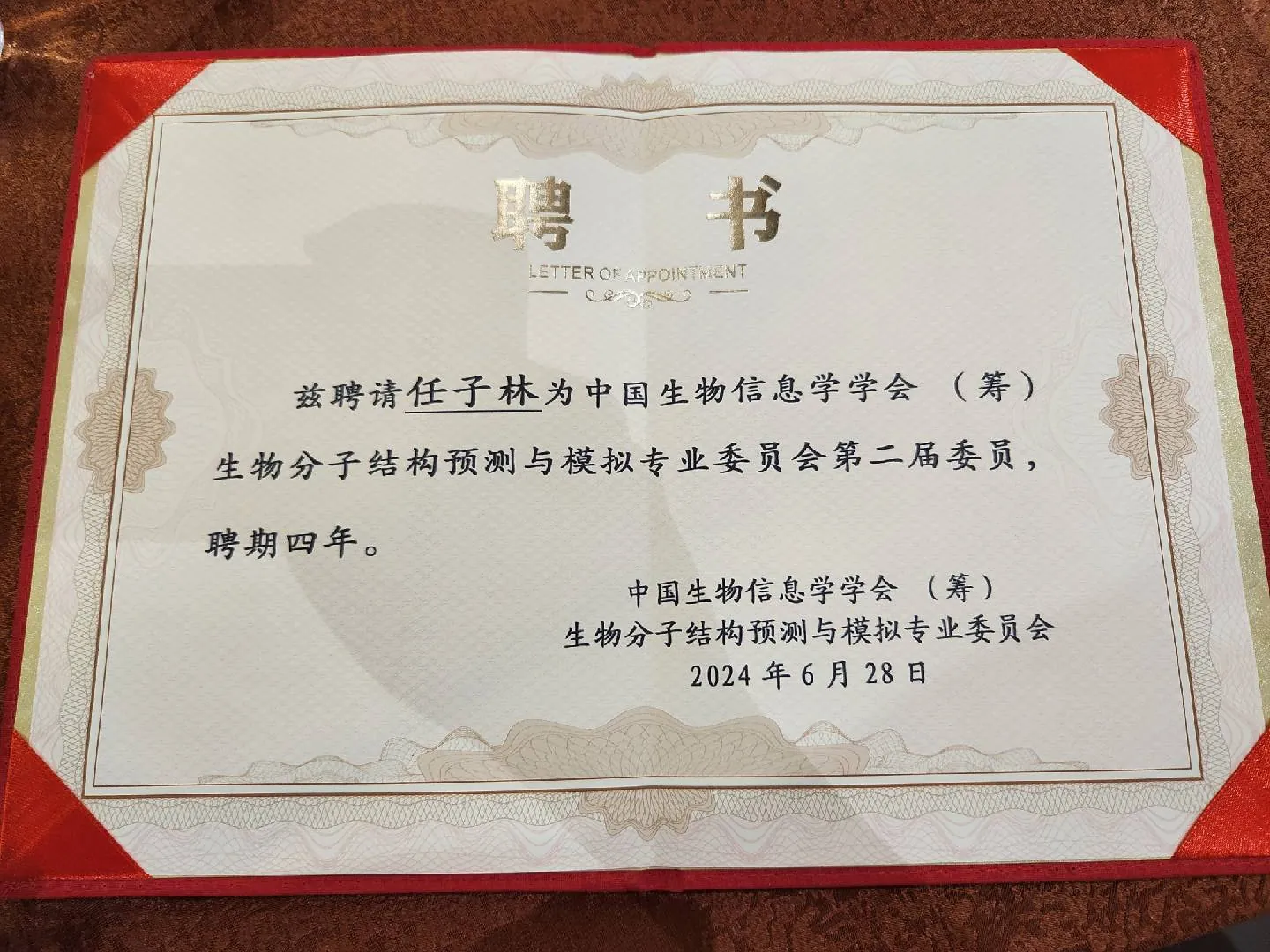 Academic committee appointment
Ren Protein Design Group
— Zilin Ren · Group Leader
We combine artificial intelligence and molecular simulation to study and design biological macromolecules, with a focus on enzymes and protein–protein interactions. Our research connects sequence design, structure prediction, and molecular dynamics to understand how structure and motion shape biological function.
Explore our research, meet our group, and build on our open code and data.
Models, data, and tools from our group.
A conditional diffusion model for exploring protein conformational ensembles, with native support for multi-chain inputs.
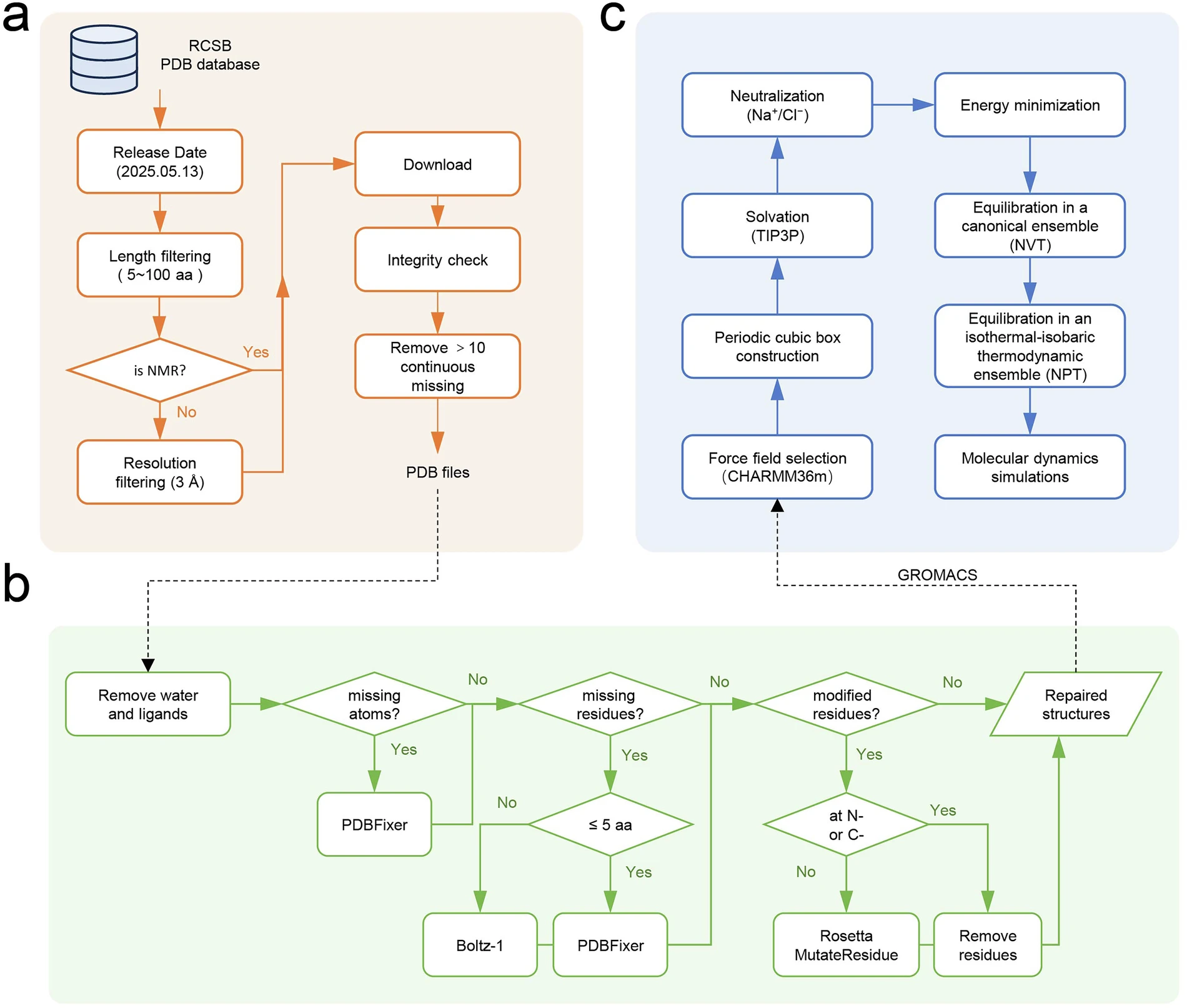
Small-protein conformational ensembles from all-atom molecular dynamics, with simulation, analysis, validation, and annotation workflows.
An antibody binding unified scoring framework for evaluating antigen–antibody interfaces and screening AI-designed antibodies.
A BERT-based architecture tailored for codon optimization using the cross-attention mechanism.
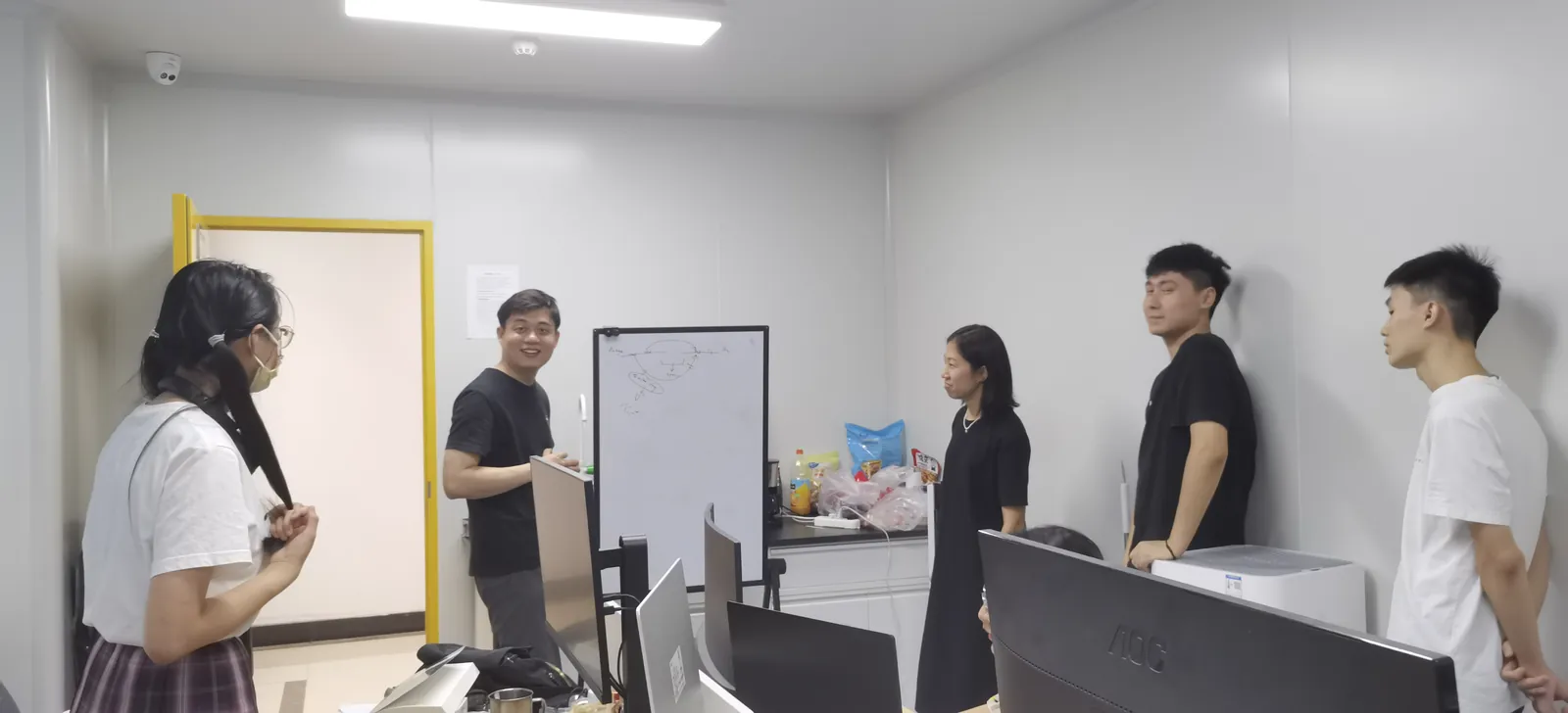
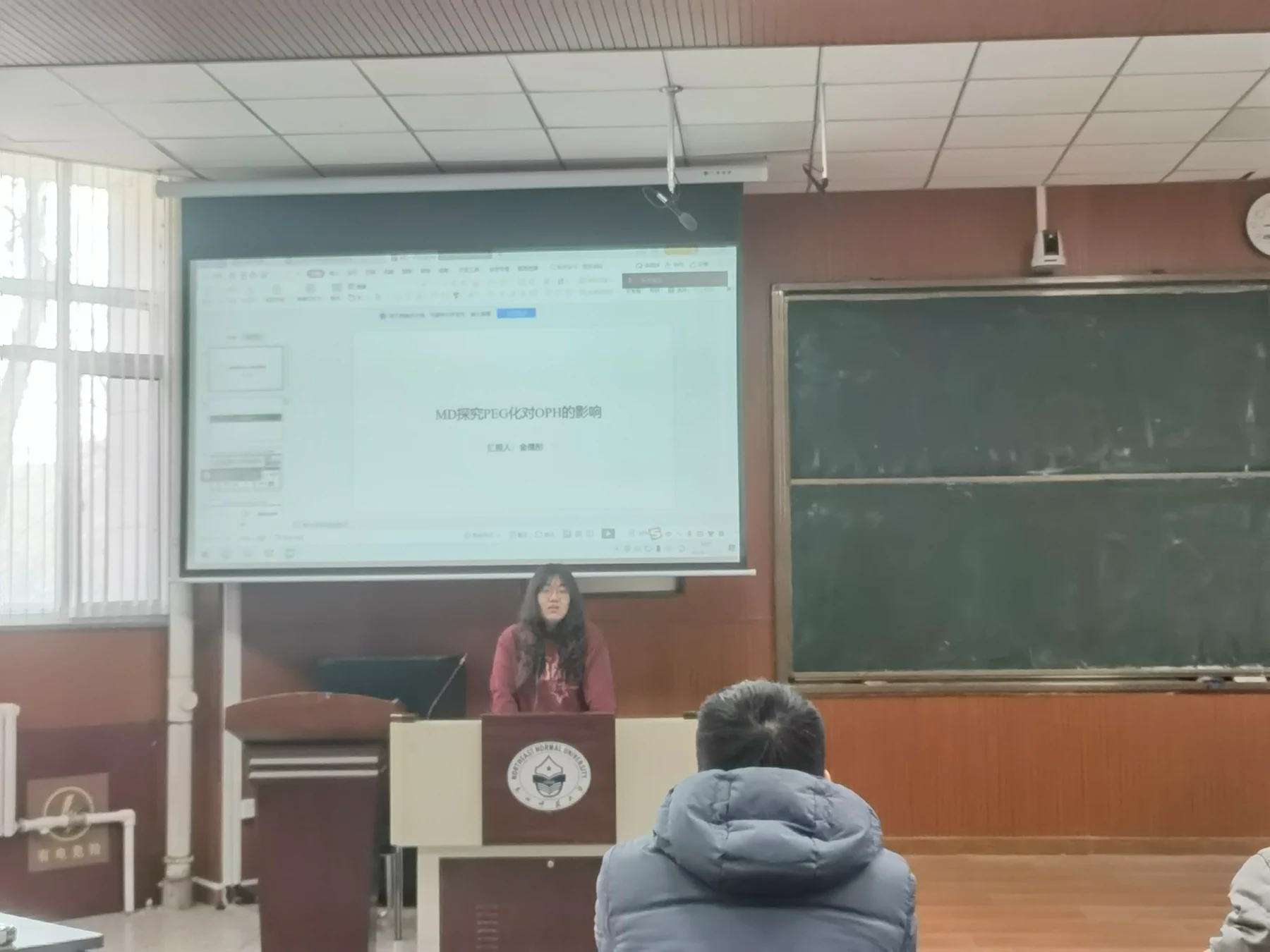
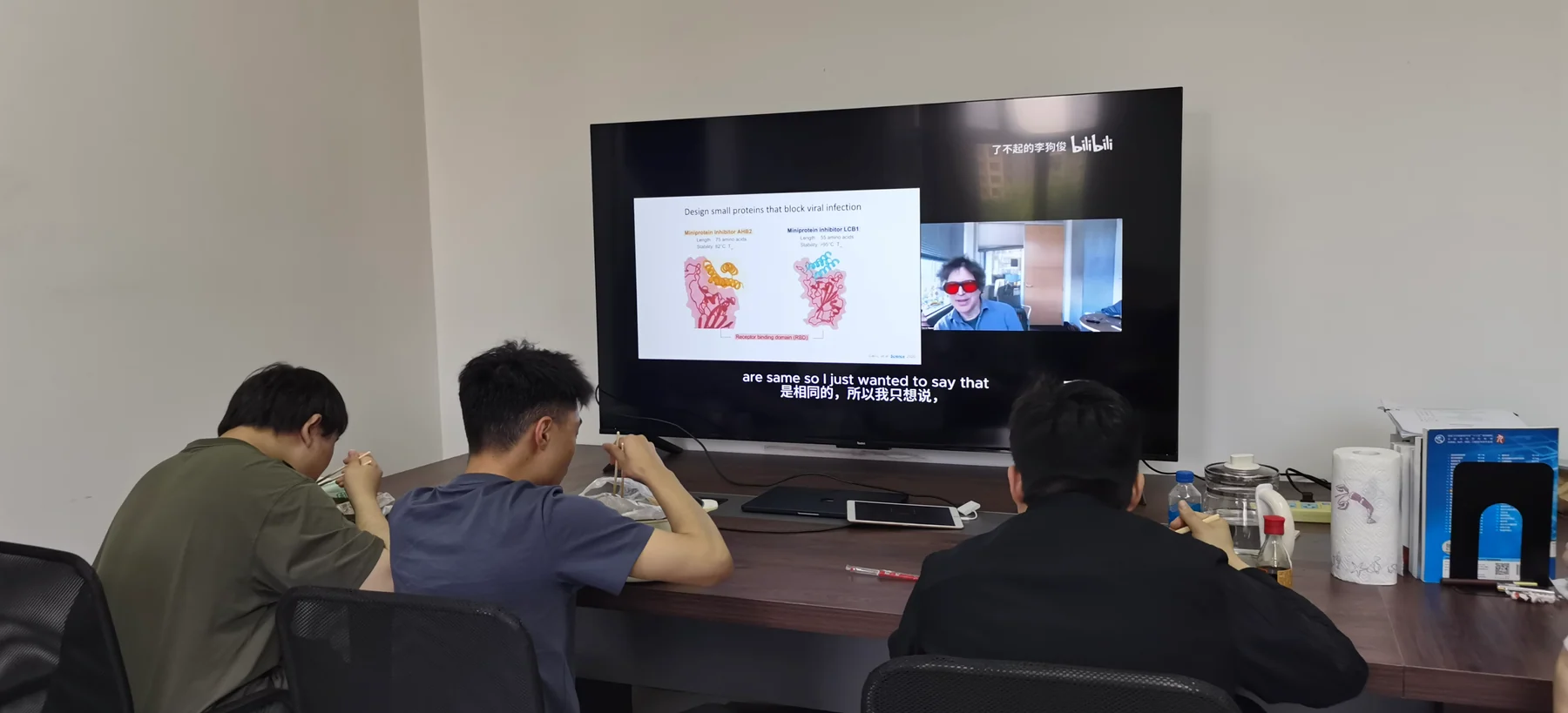
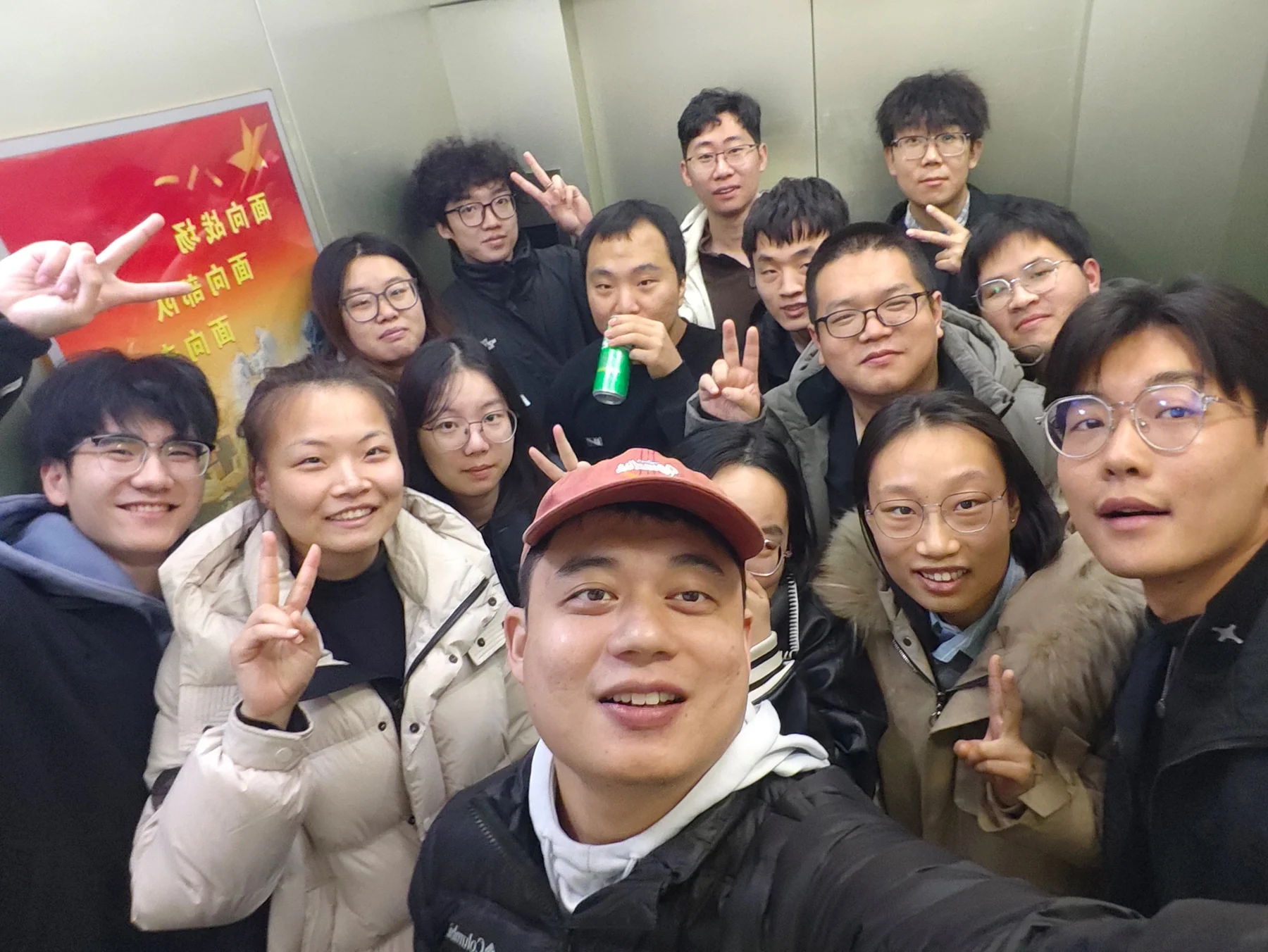
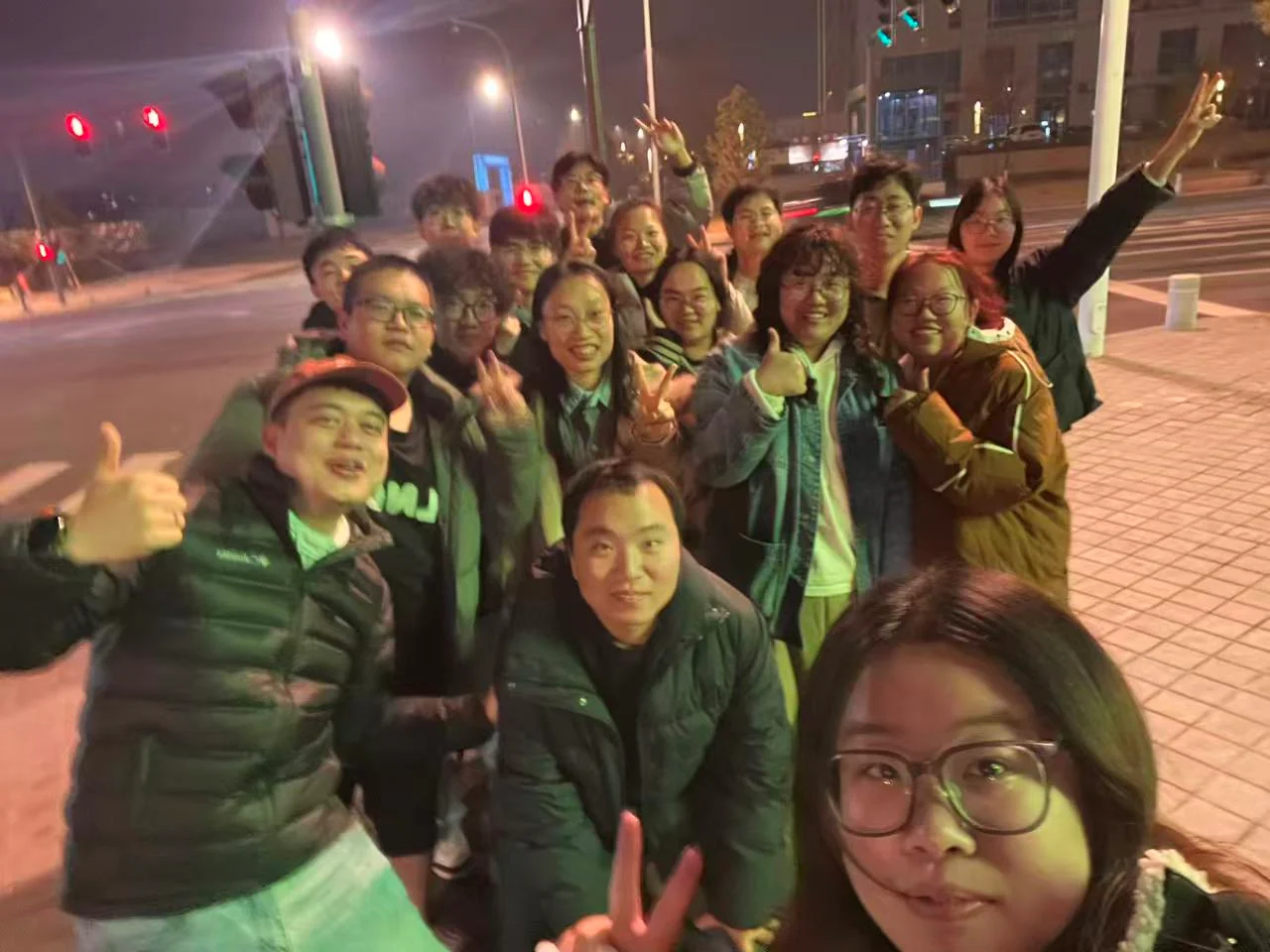
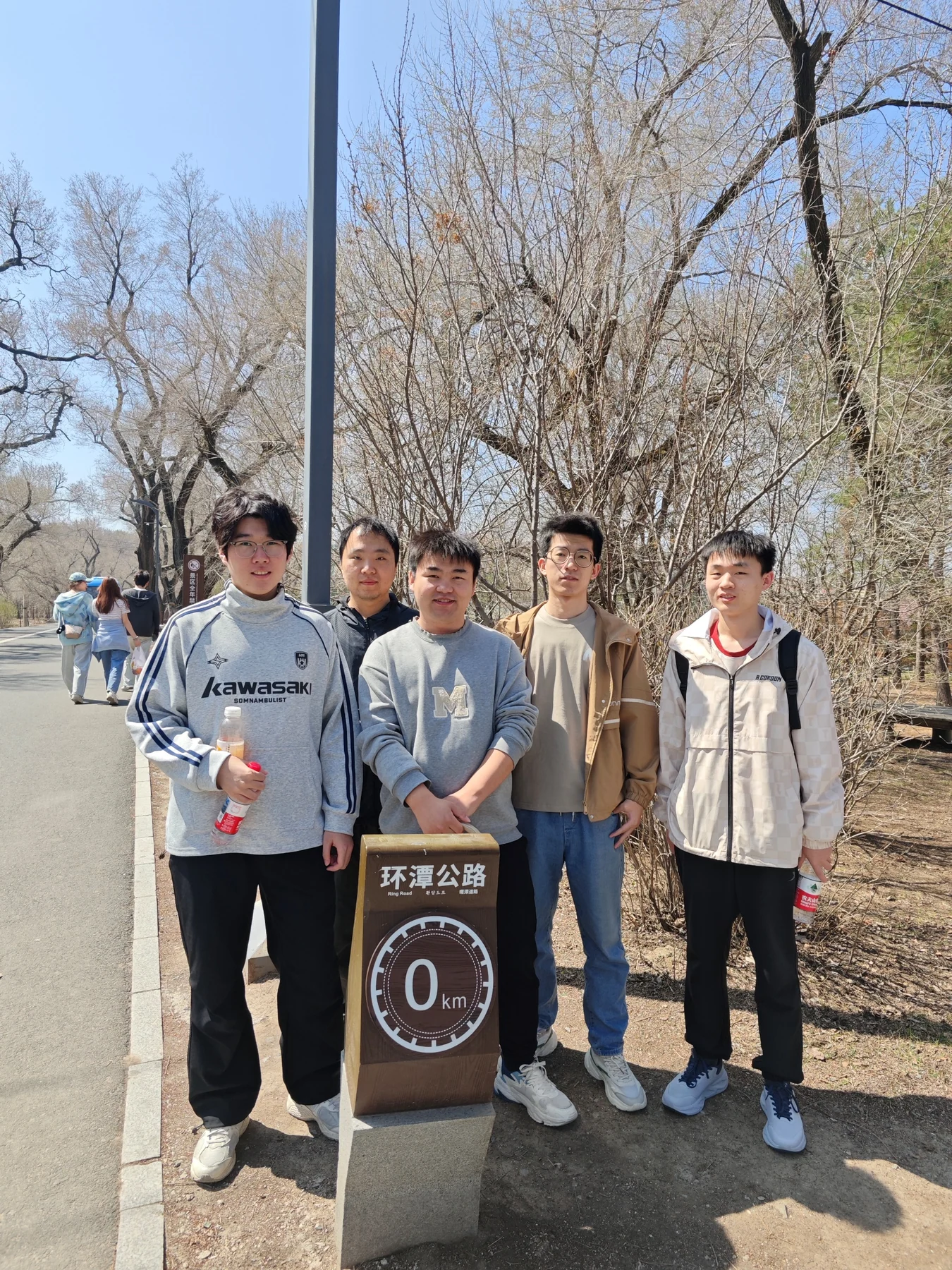
Conversations, conferences, and moments together.


A dataset of small protein conformational ensembles from all-atom molecular dynamics simulations
Read paper ↗Genome-guided generative adversarial learning enables nanopore adaptive sequencing
Read paper ↗MuFaDDG: a sequence-based multiscale feature fusion framework for protein stability changes prediction
Read paper ↗We develop computational approaches for the design and structure prediction of biological macromolecules, with an emphasis on enzymes and protein complexes. By combining biological foundation models, generative modeling, and structure-based evaluation, we study the relationships between sequence, structure, and function and use them to guide molecular design.
Proteins function as dynamic conformational ensembles. We combine molecular dynamics simulations, trajectory analysis, and generative models to characterize structural flexibility and connect molecular motion with catalysis, binding, and biological function.
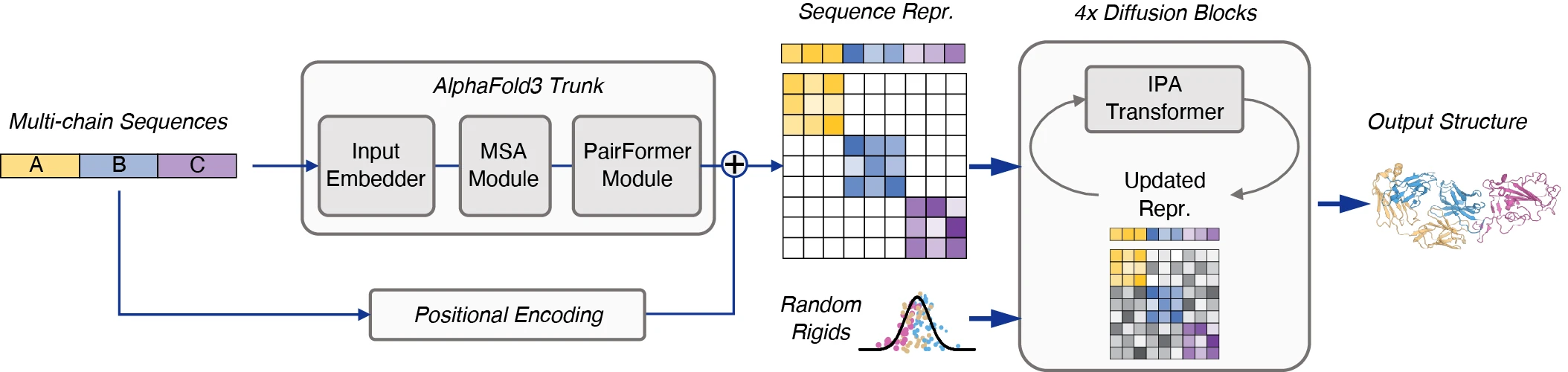 Model architectureView larger ↗
We study how proteins recognize and bind one another, combining complex structure prediction, interface analysis, and molecular simulation. Our interests include enzyme-associated interactions and antibody–antigen recognition, with computational evaluation supporting the design and assessment of binding interfaces.
ABUS integrates geometric and physicochemical interface features in a deep learning framework for antigen–antibody interface scoring. The repository includes preprocessing, inference, and training utilities for evaluating candidate complex structures.
Explore ABUS ↗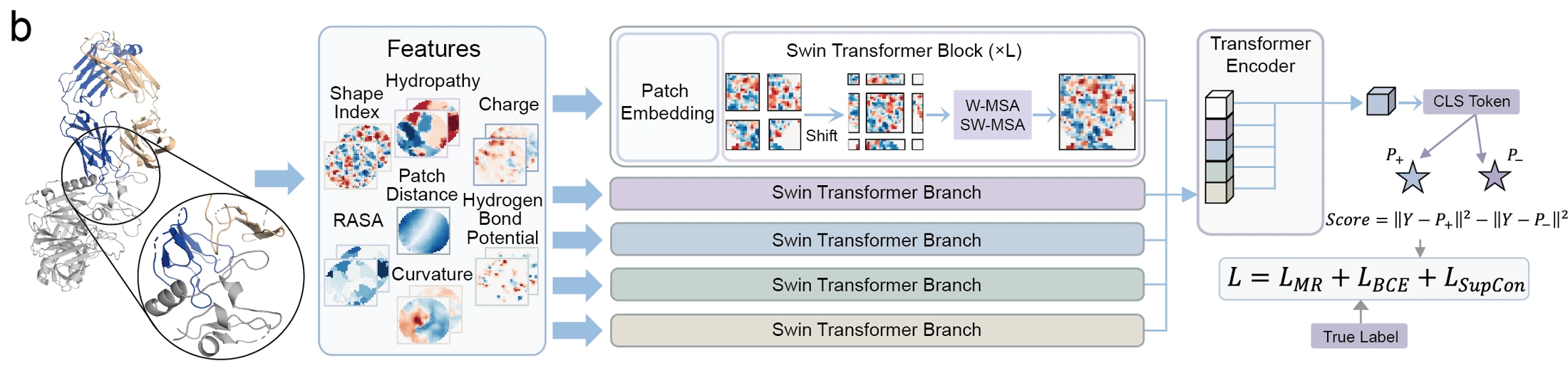 Model architectureView larger ↗
CodonBERT uses a BERT-based architecture and cross-attention to model codon preferences. Its public implementation supports codon optimization and model training.
Explore CodonBERT ↗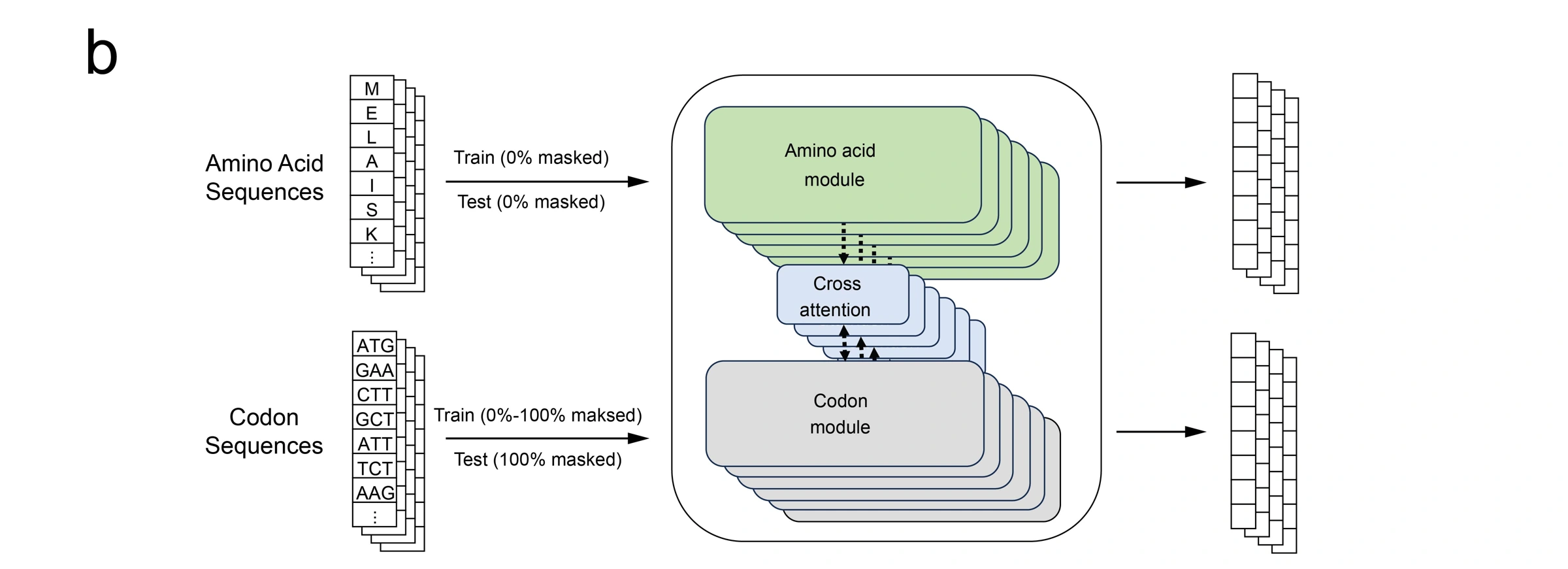 Model architectureView larger ↗
1 member

Group leader
View profileMore about this member will be added soon.
8 members

PhD student
2024 intake
View profileAdmission year: 2024

PhD student
2025 intake
View profileAdmission year: 2025
PhD student
2025 intake
View profileAdmission year: 2025

PhD student
2026 intake
View profileAdmission year: 2026
PhD student
2026 intake
View profileAdmission year: 2026

PhD student
2026 intake
View profileAdmission year: 2026

PhD student
2026 intake
View profileAdmission year: 2026

PhD student
2027 intake
View profileAdmission year: 2027
21 members

Master's student
2024 intake
View profileAdmission year: 2024

Master's student
2024 intake
View profileAdmission year: 2024

Master's student
2024 intake
View profileAdmission year: 2024

Master's student
2024 intake
View profileAdmission year: 2024

Master's student
2024 intake
View profileAdmission year: 2024

Master's student
2024 intake
View profileAdmission year: 2024

Master's student
2024 intake
View profileAdmission year: 2024

Master's student
2024 intake
View profileAdmission year: 2024

Master's student
2025 intake
View profileAdmission year: 2025

Master's student
2025 intake
View profileAdmission year: 2025

Master's student
2025 intake
View profileAdmission year: 2025

Master's student
2025 intake
View profileAdmission year: 2025

Master's student
2025 intake
View profileAdmission year: 2025

Master's student
2025 intake
View profileAdmission year: 2025

Master's student
2025 intake
View profileAdmission year: 2025

Master's student
2026 intake
View profileAdmission year: 2026

Master's student
2026 intake
View profileAdmission year: 2026

Master's student
2027 intake
View profileAdmission year: 2027
Master's student
2027 intake
View profileAdmission year: 2027

Master's student
2027 intake
View profileAdmission year: 2027

Master's student
2027 intake
View profileAdmission year: 2027
4 members

Alumni
View profileMore about this member will be added soon.

Alumni
View profileMore about this member will be added soon.

Alumni
View profileMore about this member will be added soon.

Alumni
View profileMore about this member will be added soon.
Try another category or clear your search.







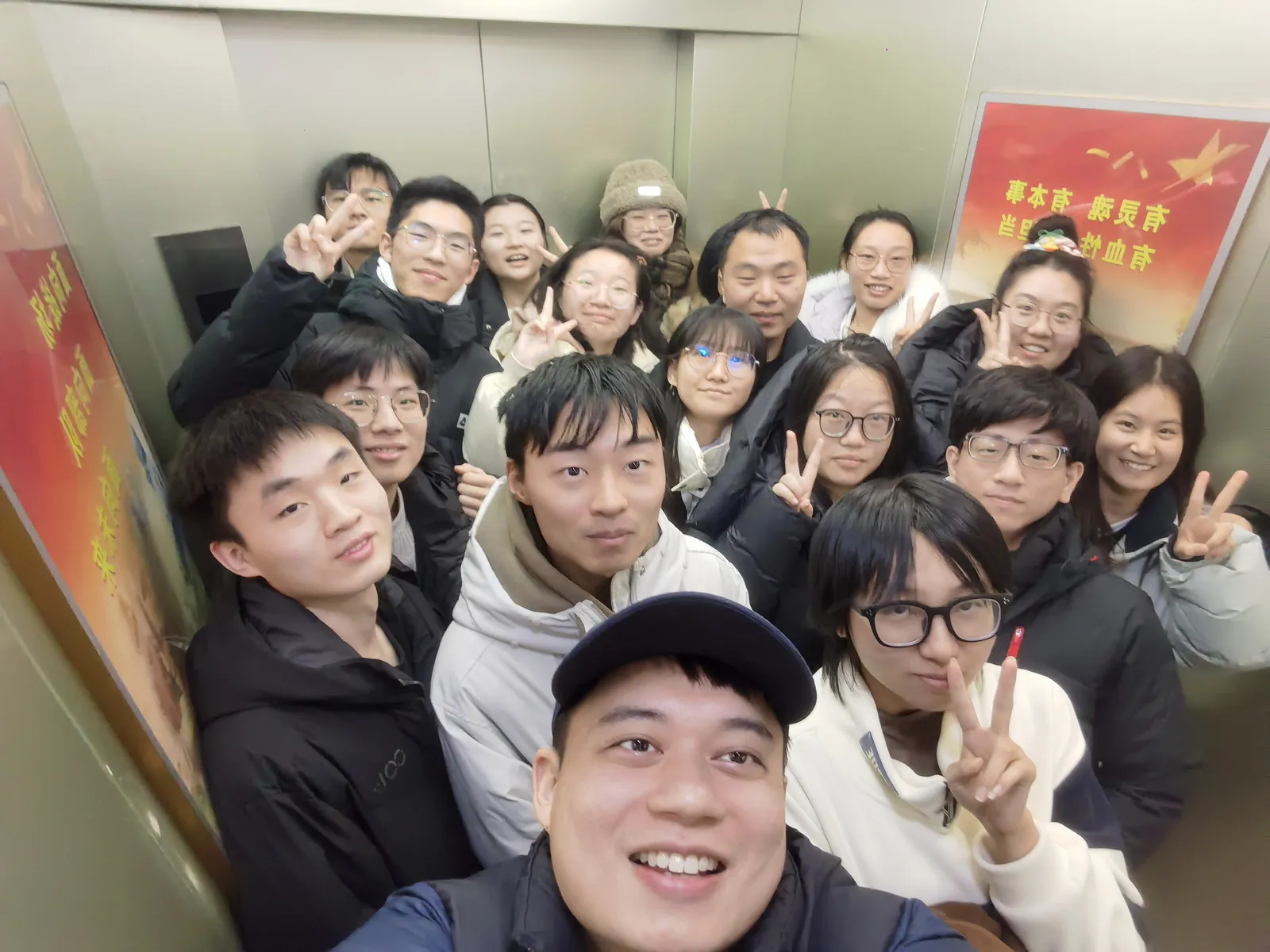
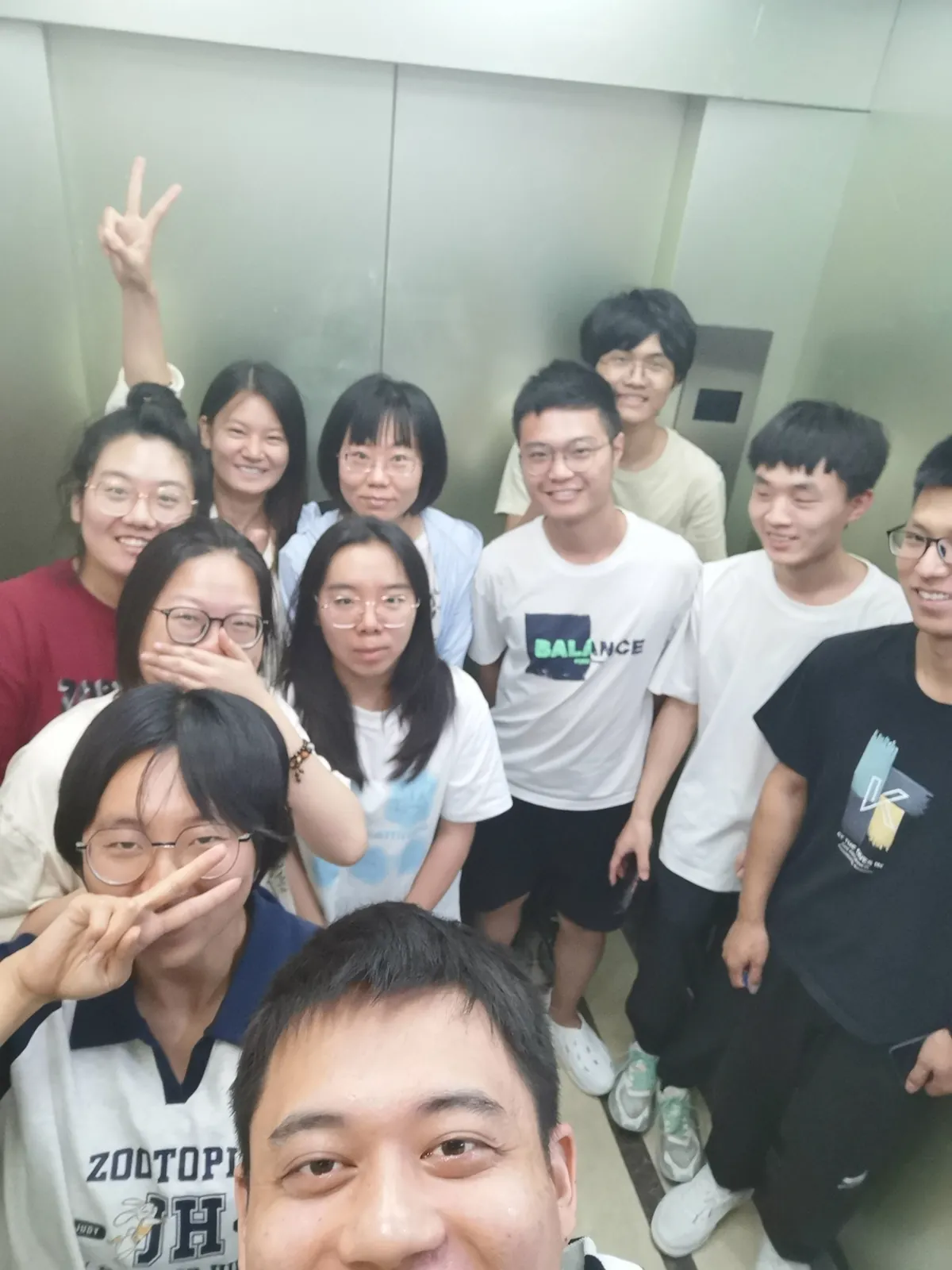


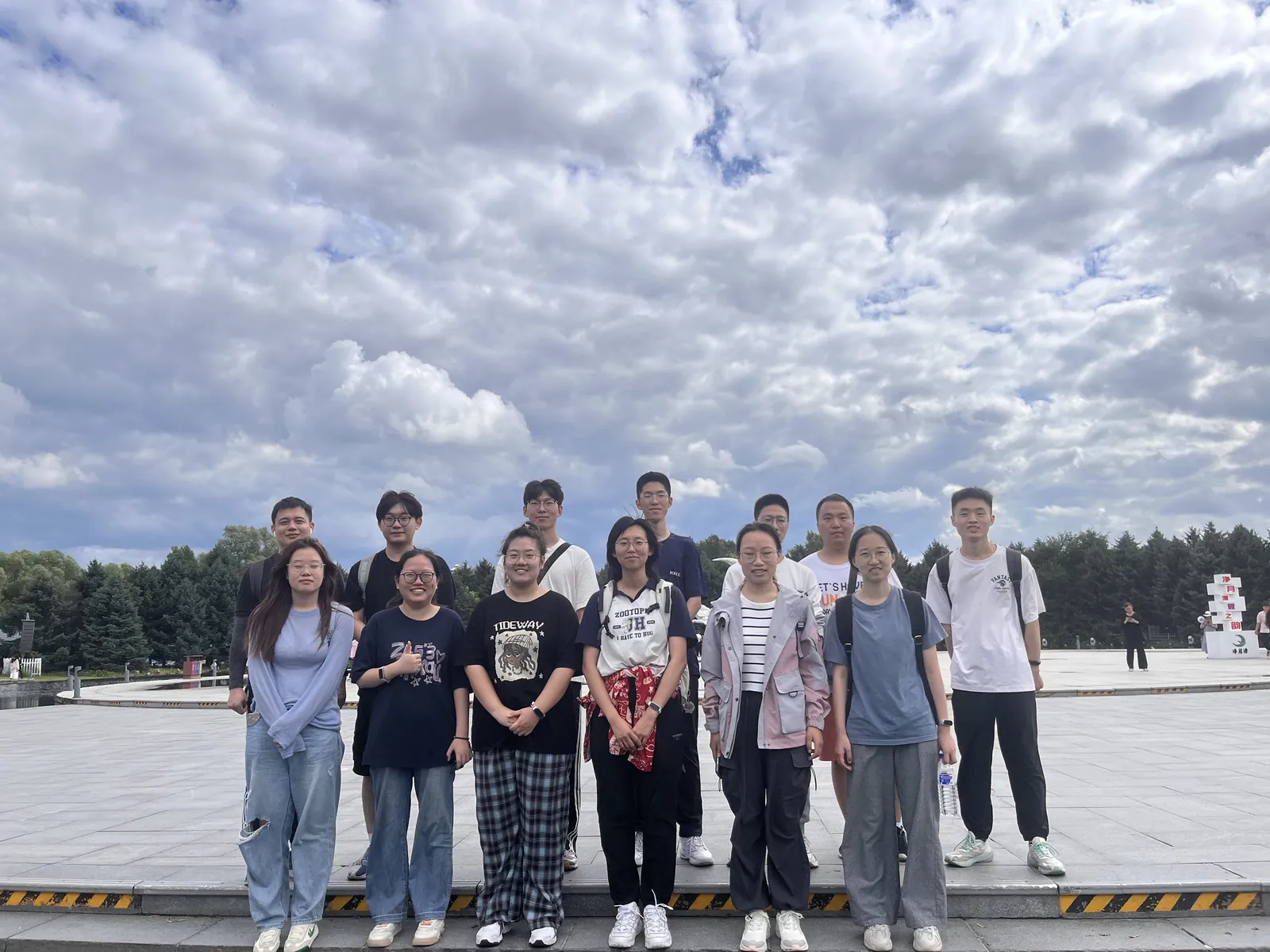
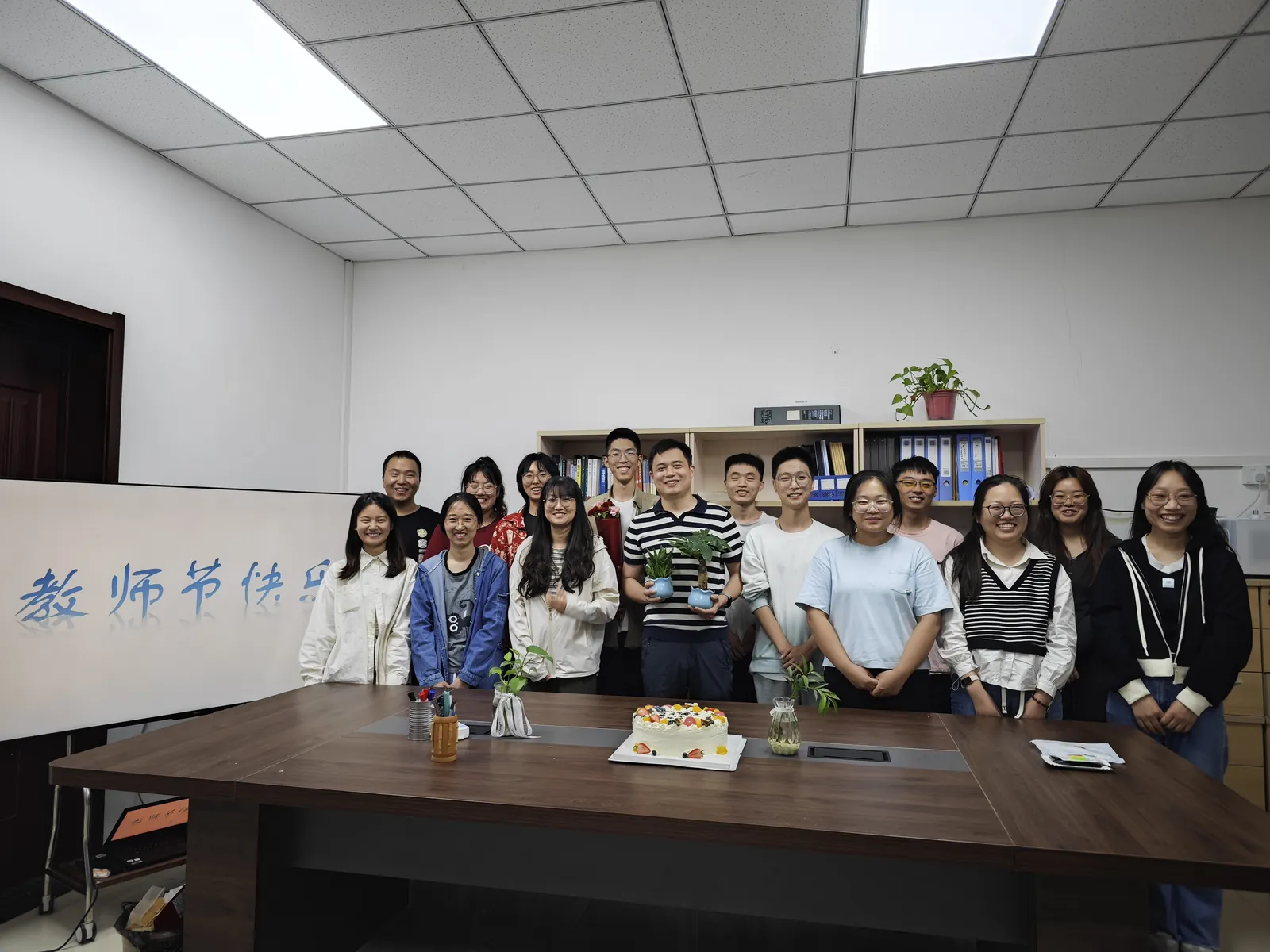






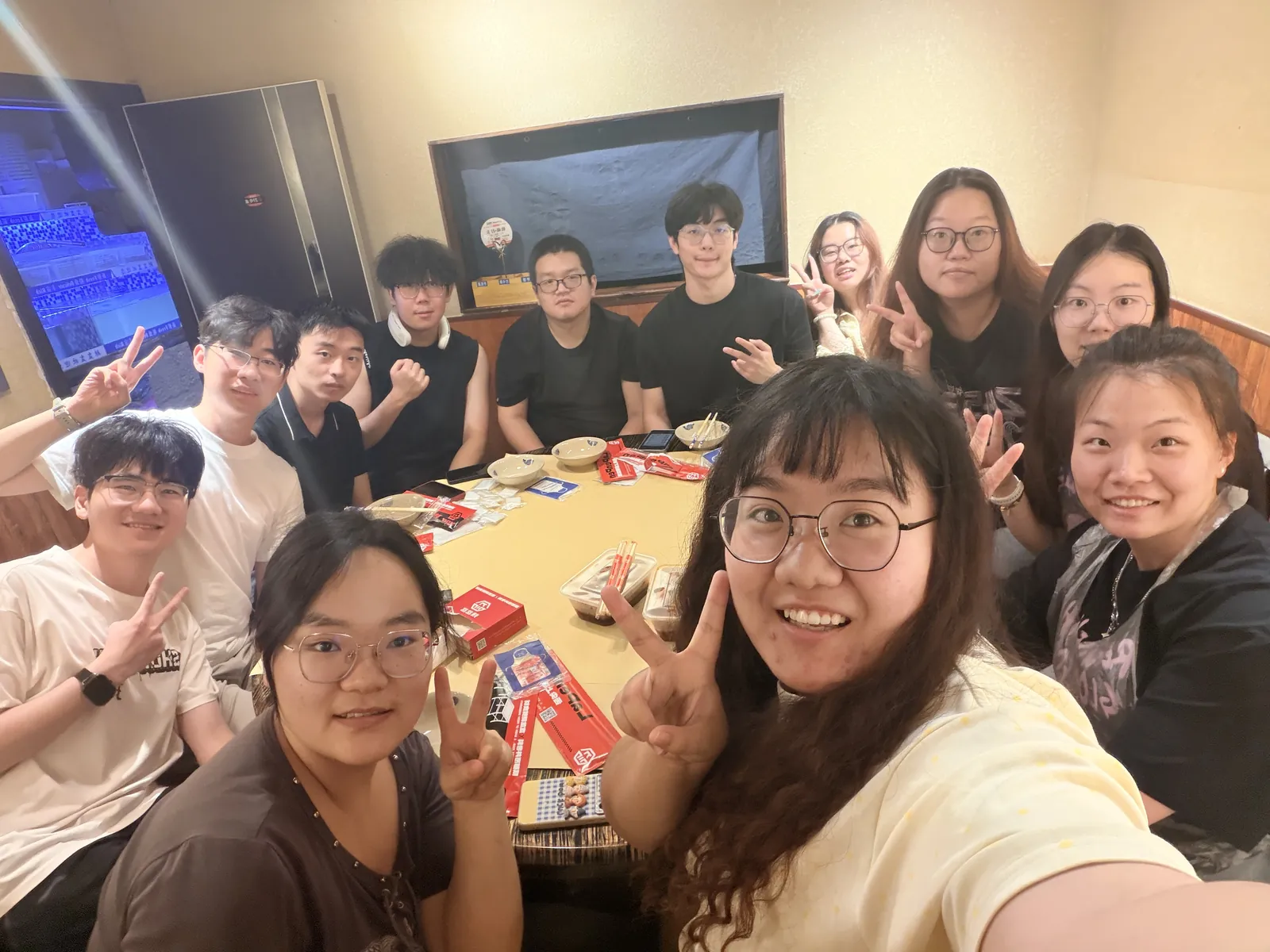



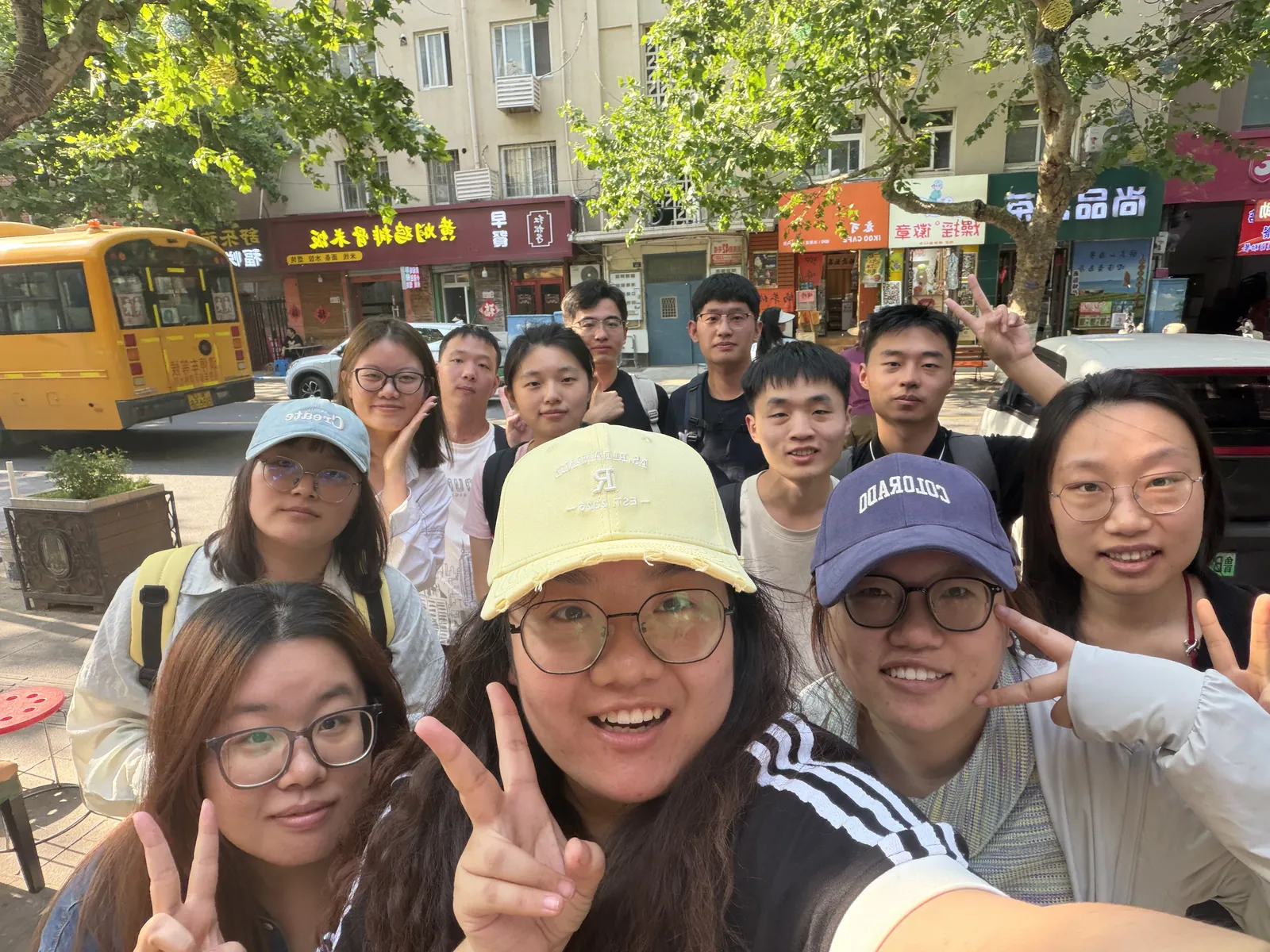

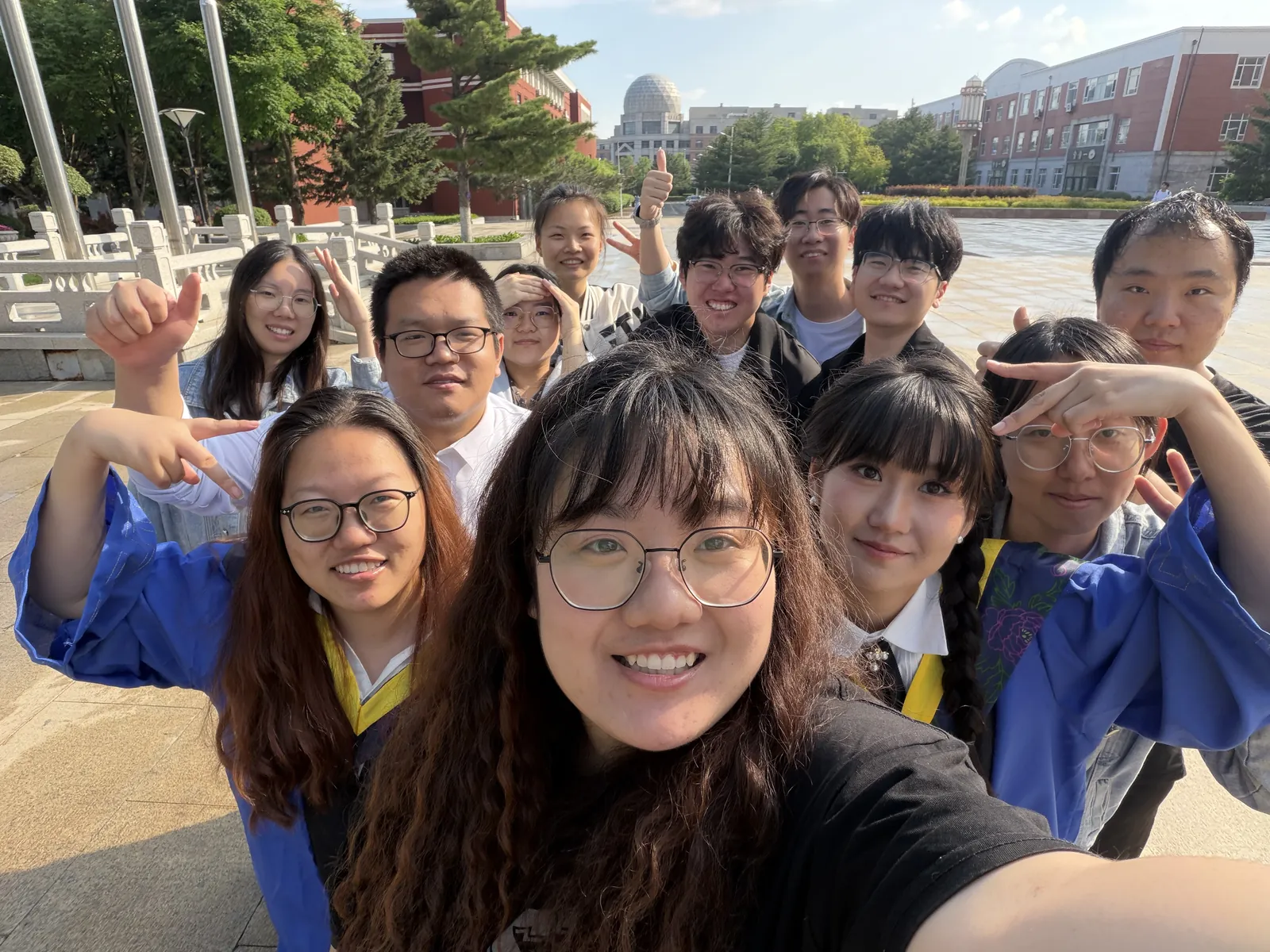

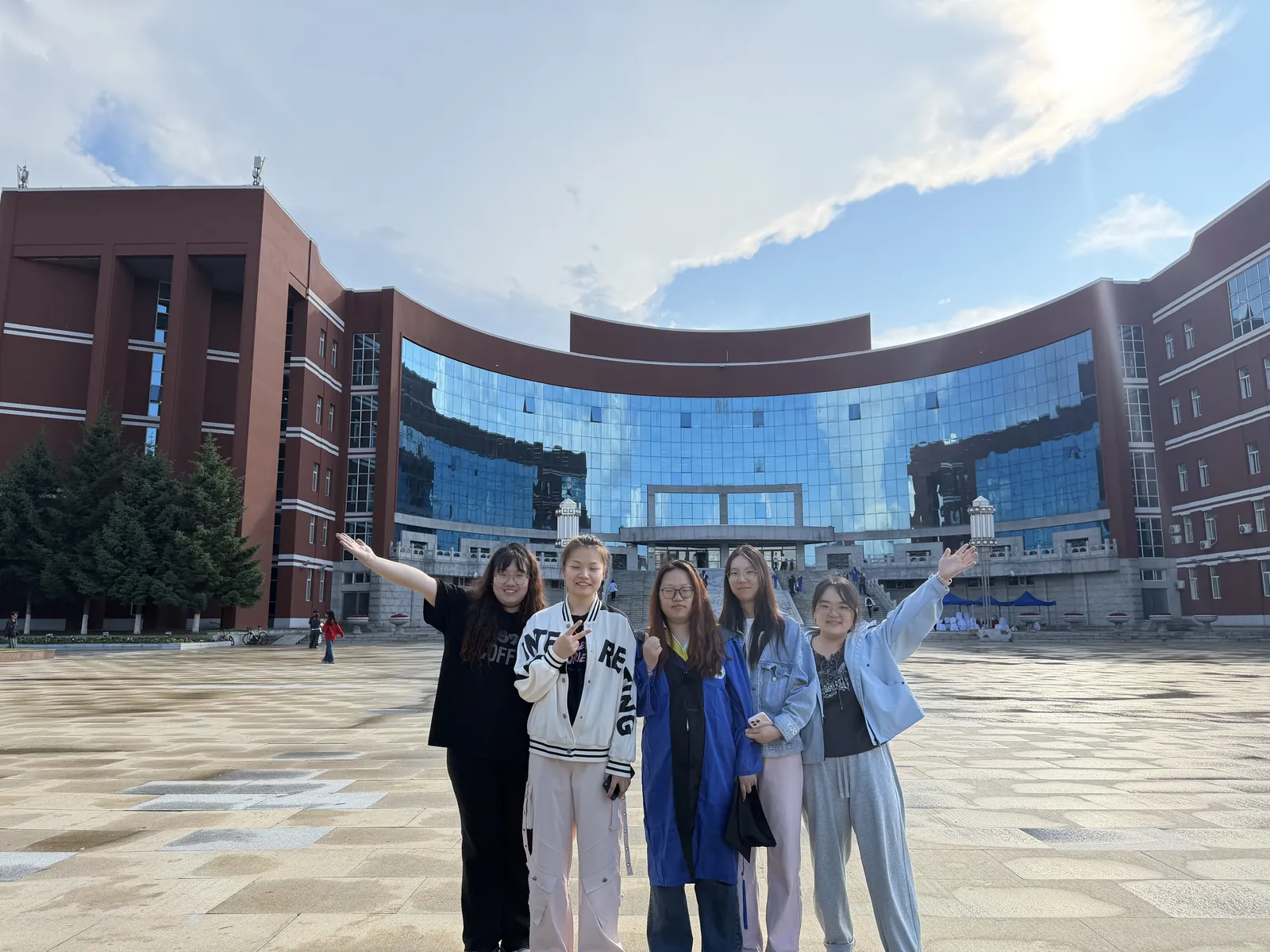

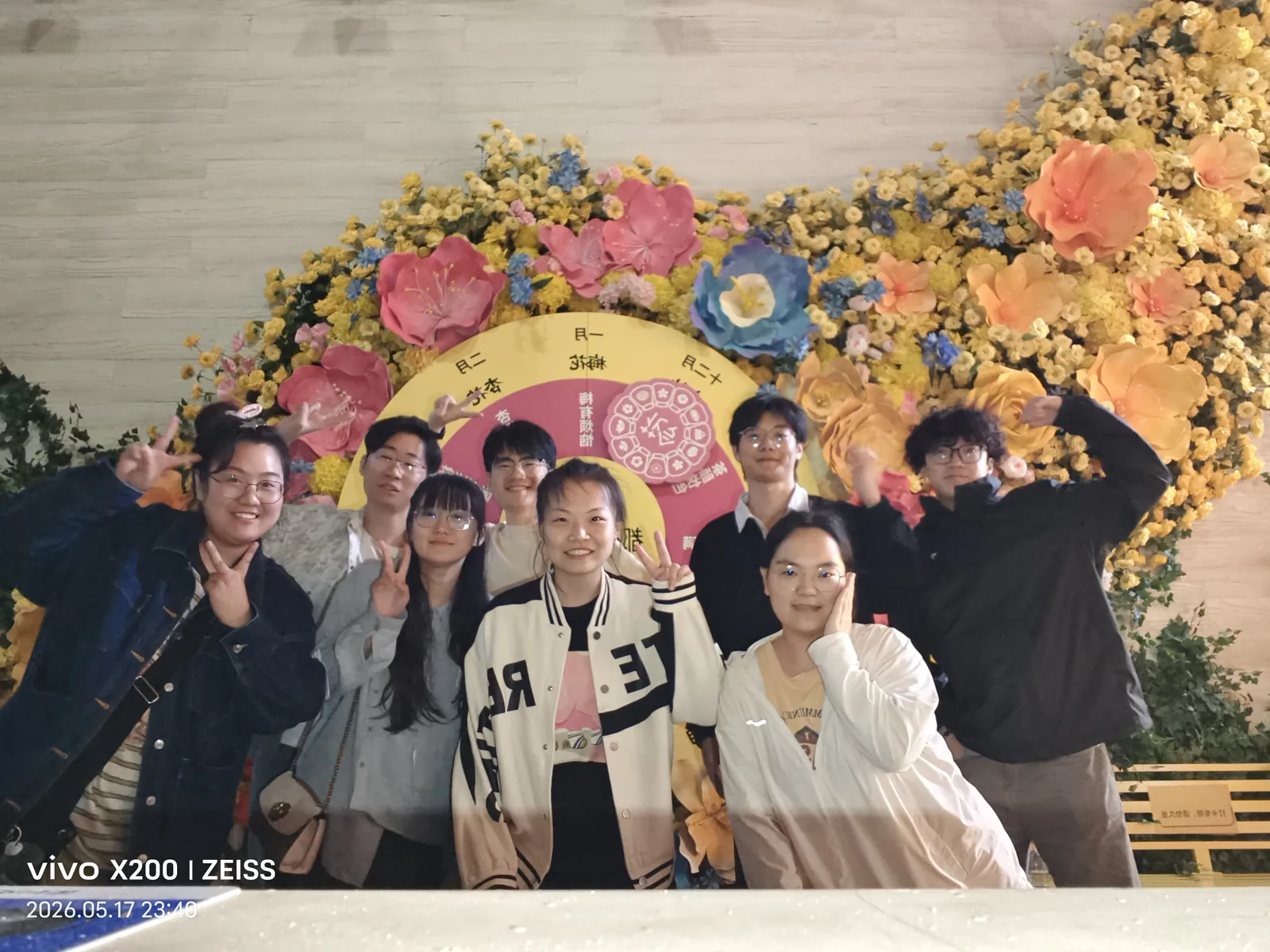




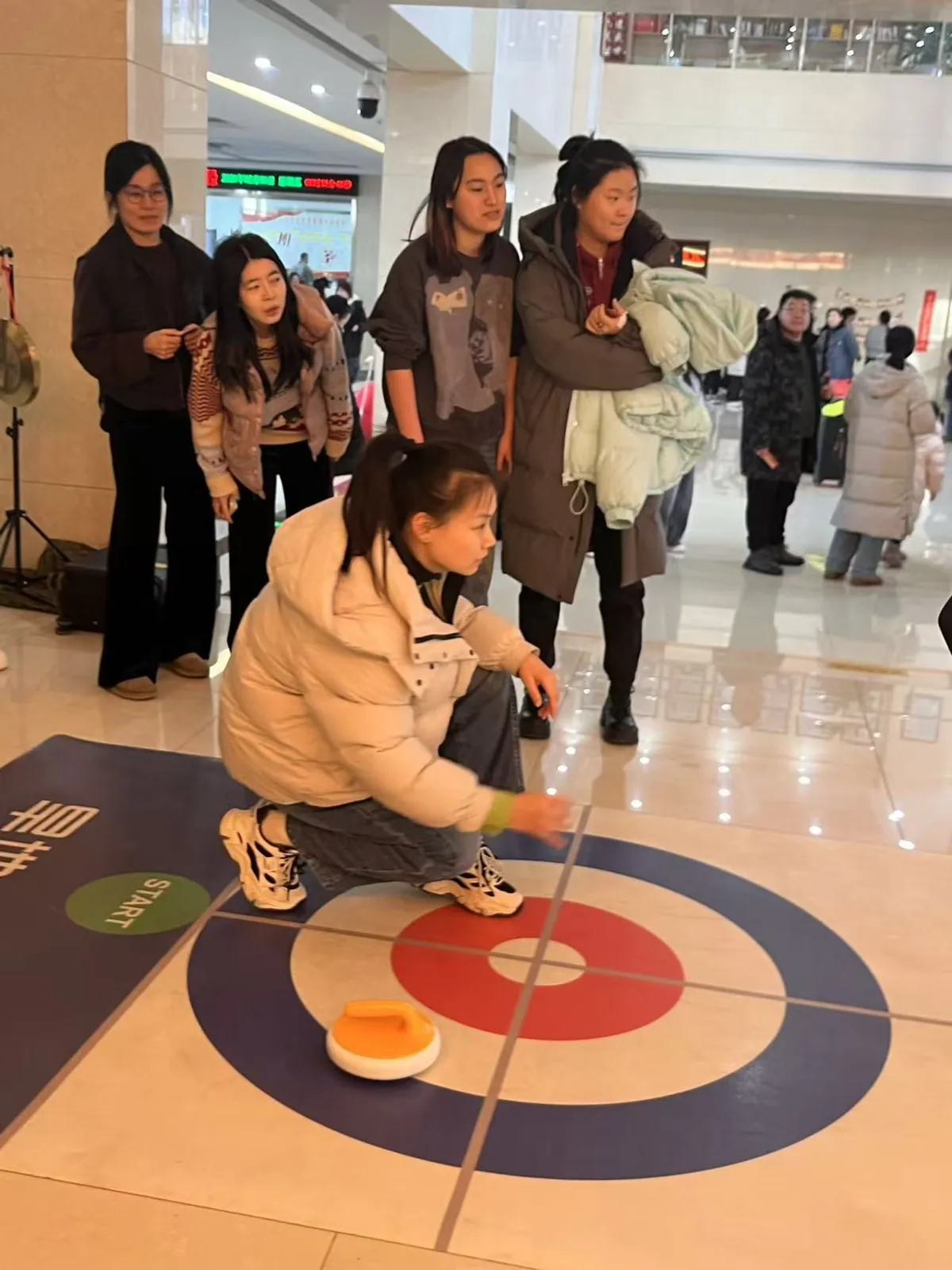
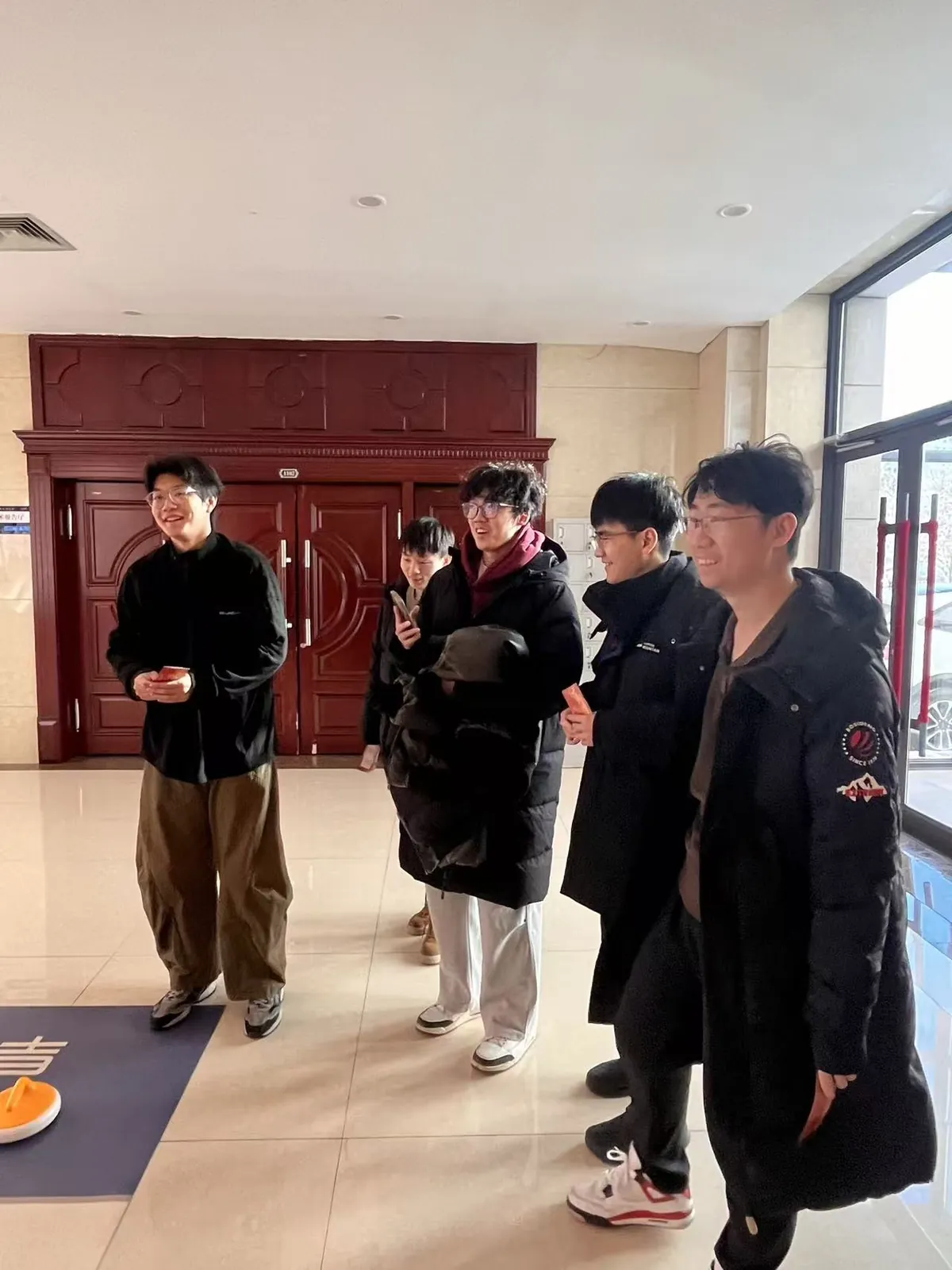

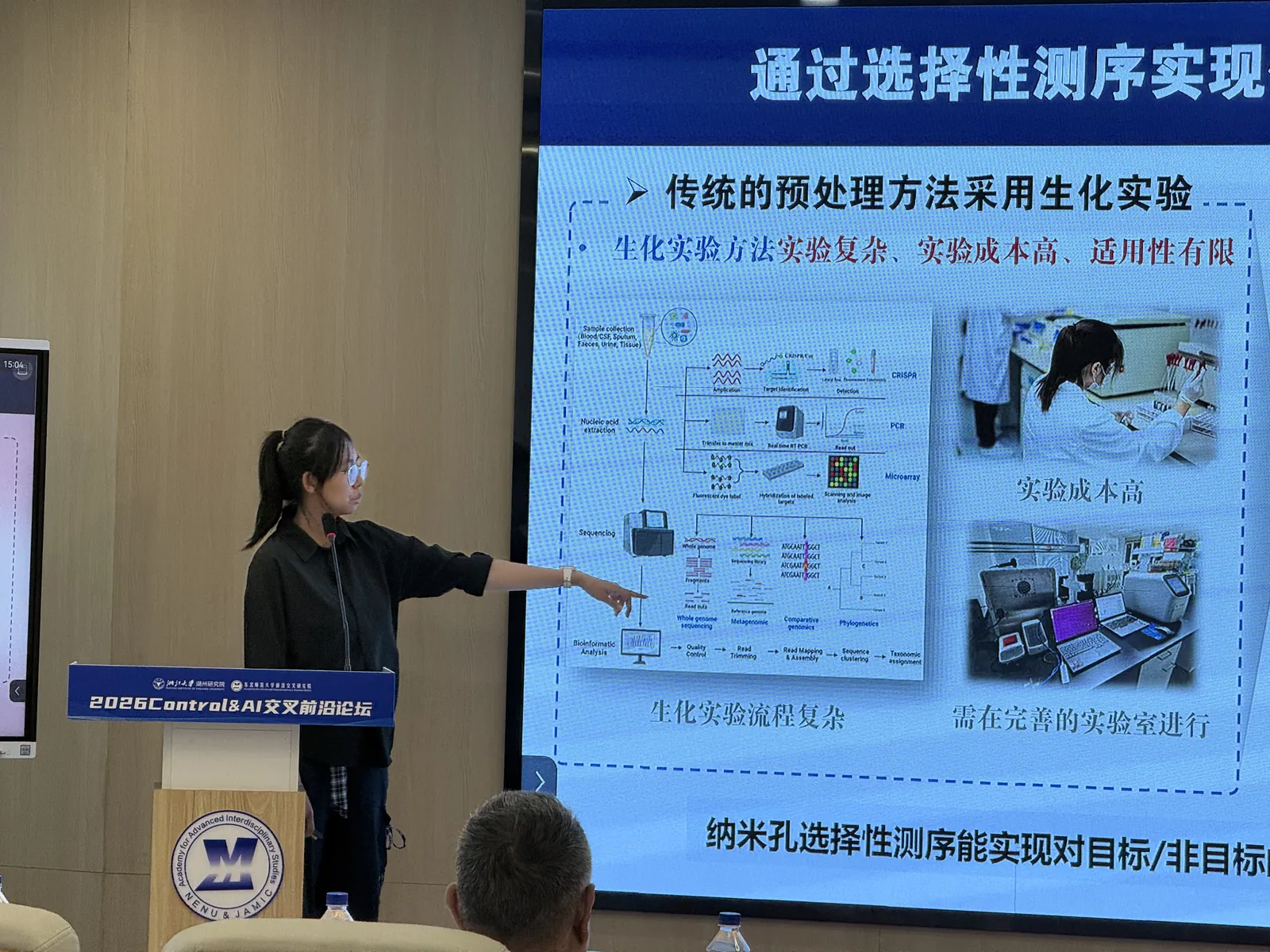
































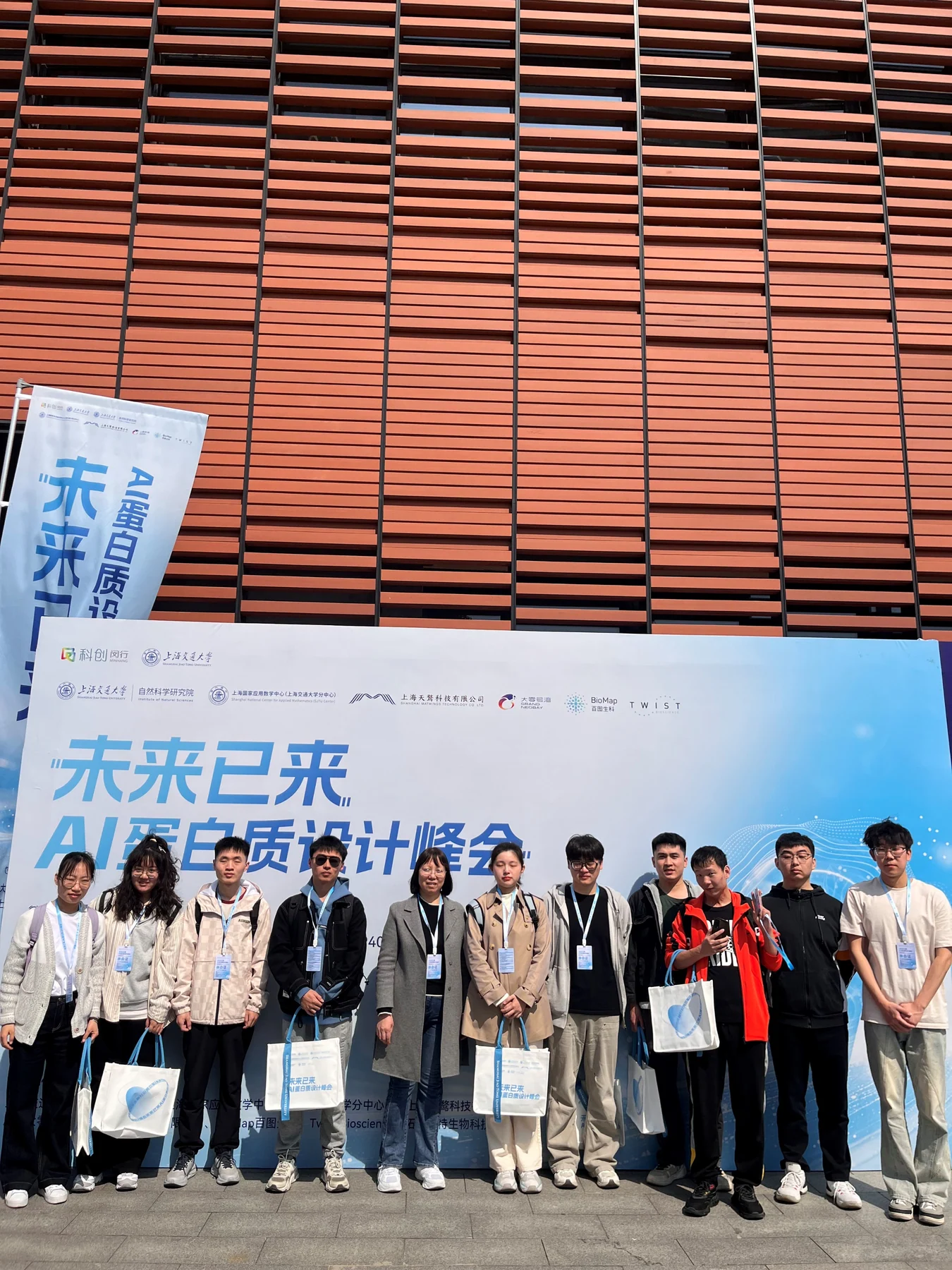



No photographs in this category yet.
Ying Hu, Xin Yang, Xinlei Zhu, Zhixiang Sui, Pingping Sun, Ming Ni, Xiaochen Bo, Longjia Jia, Zhiguo Fu, Zilin Ren
Scientific Data
Co-first authors: Ying Hu, Xin Yang · Corresponding author: Zilin Ren
Yixiang Zhang, Pingping Sun, Jiarong Zhang, Zhiguo Fu, Xiaochen Bo, Di Guan, Ming Ni, Zilin Ren
Nature Communications · 17 · 7097
Co-first authors: Yixiang Zhang · Corresponding author: Zilin Ren
Zhong-yi Lei, Qian-tong Jin, Xiao-min Zhang, Xiao-chen Bo, Zi-lin Ren, Yi-gang Tong, Ming Ni
Virologica Sinica · 41 · 2 · 382–391
Corresponding author: Zilin Ren
Jianting Gong, Pengjia Ma, Zilin Ren, Si Li, Zhiguo Fu, Pingping Sun, Ming Ni, Xiaochen Bo
Bioinformatics · 42 · 5 · btag196
Co-first authors: Jianting Gong, Pengjia Ma
Zilin Ren, Duo Liu, Qianyi Jia, Qiantong Jin, Yubin Liu, Chan Liu, Zhixiang Sui, Luyao Han, Yixiang Zhang, Xin Yang, Pingping Sun, Zhiguo Fu, Chengkun Wu, Ming Ni, Xiaochen Bo
Research Square
First author: Zilin Ren
Ming Ni, Jianting Gong, Pengjia Ma, Wanyi Chen, Yibo Zhang, Lingchun Qiao, Xiaomin Zhang, Haoyue Gu, Junling Yang, Songyang Diao, Wanlin Liu, Zilin Ren, Yunming Fang, Xiaochen Bo, Tianwei Tan
Research Square
Co-first authors: Jianting Gong, Pengjia Ma
Yaxin Di, Ziliang Wang, Zilin Ren, Haixin Huang, Songhui Yang, Chenchao Zhang, Shibo Liang, Pengyuan Dong, Wanbo Tai, Xinyu Zhuang, Mingyao Tian
Current Research in Microbial Sciences · 9 · 100457
Co-first authors: Zilin Ren
Fuqiang Ye, Juanjuan Zhu, Xiaomin Zhang, Jiarong Zhang, Zihan Xie, Tingting Yang, Yifang Han, Xiaohong Yang, Zilin Ren, Ming Ni
GigaScience · 14 · giaf018
Corresponding author: Zilin Ren
Han Wang, Zilin Ren, Jinghong Sun, Yongbing Chen, Xiaochen Bo, JiGuo Xue, Jingyang Gao, Ming Ni
Briefings in Bioinformatics · 26 · 1 · bbae579
Co-first authors: Zilin Ren · Corresponding author: Zilin Ren
Zhong-yi Lei, Xiao-min Zhang, Jia-lu Han, Ji-guo Xue, Jia-yi Xu, Zi-lin Ren, Yi-gang Tong, Xiao-chen Bo, Ming Ni
PLOS One · 20 · 11 · e0335520
Corresponding author: Zilin Ren
Ming Ma, Yanan Zhai, Qiantong Jin, Dan Wang, Shunye Wang, Zhuang Liu, Ziyang Wang, Chengcai Wang, Yanwei Xie, Zilin Ren, Xiang Gao, Jing Gao
Journal of Hazardous Materials · 488 · 137336
Corresponding author: Zilin Ren
Yongbing Chen, Qianyi Jia, Xinyue Jia, Zhiguo Fu, Pingping Sun, Bo Li, Zilin Ren
Journal of Bioinformatics and Computational Biology · 23 · 06
First author: Yongbing Chen
Jiayi Xu, Jianting Gong, Xiaochen Bo, Yigang Tong, Zilin Ren, Ming Ni
Biophysical Chemistry · 311 · 107253
Corresponding author: Zilin Ren
Zilin Ren, Lili Jiang, Yaxin Di, Dufei Zhang, Jianli Gong, Jianting Gong, Qiwei Jiang, Zhiguo Fu, Pingping Sun, Bo Zhou, Ming Ni
Bioinformatics · 40 · 7 · btae330
Co-first authors: Zilin Ren, Lili Jiang
Zilin Ren, Jiarong Zhang, Yixiang Zhang, Tingting Yang, Pingping Sun, Jiguo Xue, Xiaochen Bo, Bo Zhou, Jiangwei Yan, Ming Ni
Briefings in Bioinformatics · 25 · 6 · bbae472
Co-first authors: Zilin Ren, Yixiang Zhang · Corresponding author: Zilin Ren
Jianting Gong, Yingwei Zhao, Xiantao Heng, Yongbing Chen, Pingping Sun, Fei He, Zhiqiang Ma, Zilin Ren
Electronic Research Archive · 31 · 8 · 4951-4967
First author: Jianting Gong · Corresponding author: Zilin Ren
Yongbing Chen, Wenyuan Qin, Tong Liu, Ruikun Li, Fei He, Ye Han, Zhiqiang Ma, Zilin Ren
Electronic Research Archive · 31 · 9 · 5442-5456
First author: Yongbing Chen · Corresponding author: Zilin Ren
Zilin Ren, Quan Li, Kajia Cao, Marilyn M. Li, Yunyun Zhou, Kai Wang
BMC Bioinformatics · 23 · Suppl 3 · 572
First author: Zilin Ren
Yongbing Chen, Han Qin, Xiaodan Cui, Tianhui Yang, Pingping Sun, Jianting Gong, Zilin Ren
2023 IEEE International Conference on Bioinformatics and Biomedicine (BIBM) · 841-846
First author: Yongbing Chen
Jianting Gong, Lili Jiang, Yongbing Chen, Yixiang Zhang, Xue Li, Zhiqiang Ma, Zhiguo Fu, Fei He, Pingping Sun, Zilin Ren, Mingyao Tian
Bioinformatics · 39 · 11 · btad646
First author: Jianting Gong · Corresponding author: Zilin Ren
Yanfeng Lin, Yan Dai, Yuqi Liu, Zhuli Ren, Hao Guo, Zhenzhong Li, Jinhui Li, Kaiying Wang, Lang Yang, Shuang Zhang, Hongbo Liu, Leili Jia, Ming Ni, Peng Li, Hongbin Song
Frontiers in Microbiology · 13 · 929241
Co-first authors: Zilin Ren
Author-name note: Zilin Ren is printed as “Zhuli Ren” in the original article.
Zi-Lin Ren, Jia-Rong Zhang, Xiao-Meng Zhang, Xu Liu, Yan-Feng Lin, Hua Bai, Meng-Chun Wang, Feng Cheng, Jin-Ding Liu, Peng Li, Lei Kong, Xiao-Chen Bo, Sheng-Qi Wang, Ming Ni, Jiang-Wei Yan
International Journal of Legal Medicine · 135 · 5 · 1685–1693
First author: Zilin Ren
Author roles are checked against the original articles. Preprints have not yet been peer reviewed.
A dataset of small protein conformational ensembles from all-atom molecular dynamics simulations
Read paper ↗Genome-guided generative adversarial learning enables nanopore adaptive sequencing
Read paper ↗Genomic-epidemiological analysis of 15 million SARS-CoV-2 genomes reveals accelerated fitness gain of JN.1 lineage
Read paper ↗MuFaDDG: a sequence-based multiscale feature fusion framework for protein stability changes prediction
Read paper ↗A T cell-based ubiquitin-mediated mRNA vaccine provides cross-protection against H1N1 and B influenza viruses in mice
Read paper ↗Characteristics and filtering of low-frequency artificial short deletion variations based on nanopore sequencing
Read paper ↗DeepPFP: a multi-task-aware architecture for protein function prediction
Read paper ↗Integrating genomic epidemiology and deep mutational scanning data for prevalence forecasting of SARS-CoV-2 Omicron lineages
Read paper ↗N-terminal PEGylation enhances organophosphorus hydrolase catalysis for a promising fast and long-acting prophylactic candidate
Read paper ↗PLMABFW: A deep learning framework for predicting Antibody–Antigen interactions using protein language model
Read paper ↗A benchmark for evaluation of structure-based online tools for antibody-antigen binding affinity
Read paper ↗CodonBERT: a BERT-based architecture tailored for codon optimization using the cross-attention mechanism
Read paper ↗NASTRA: accurate analysis of short tandem repeat markers by nanopore sequencing with repeat-structure-aware algorithm
Read paper ↗Deciphering and identifying pan-cancer RAS pathway activation based on graph autoencoder and ClassifierChain
Read paper ↗MTNA: A deep learning based predictor for identifying multiple types of N-terminal protein acetylated sites
Read paper ↗Model performance and interpretability of semi-supervised generative adversarial networks to predict oncogenic variants with unlabeled data
Read paper ↗PLMTHP: An Ensemble Framework for Tumor Homing Peptide Prediction based on Protein Language Model
Read paper ↗THPLM: a sequence-based deep learning framework for protein stability changes prediction upon point variations using pretrained protein language model
Read paper ↗Rapid PCR-Based Nanopore Adaptive Sequencing Improves Sensitivity and Timeliness of Viral Clinical Detection and Genome Surveillance
Read paper ↗Forensic nanopore sequencing of STRs and SNPs using Verogen’s ForenSeq DNA Signature Prep Kit and MinION
Read paper ↗Ren Protein Design Group studies biological macromolecules at the intersection of artificial intelligence, structural biology, and molecular simulation. We focus on enzymes and protein–protein interactions, developing methods for molecular design, structure prediction, and conformational analysis. Our work links sequence, structure, dynamics, and function through reusable models, datasets, and scientific software.
We share code and workflows through our GitHub organization. Each project provides its own installation instructions, examples, access information, licensing, and citation guidance.
Discover our research →
For installation help, reproducibility questions, or feedback on a model or dataset, open an issue in the corresponding project repository.
Find a project →For research questions and collaboration inquiries, contact Zilin Ren.
zilin.ren@outlook.comConditional diffusion modeling of protein conformational ensembles with multi-chain inputs.
Molecular dynamics trajectories and analysis results for protein complexes.
Small-protein molecular dynamics ensembles and associated simulation and analysis workflows.
Preprocessing, inference, and training tools for antigen–antibody interface scoring.
A BERT-based cross-attention architecture for codon optimization.
Try a different keyword or clear the filters.
Check the license and citation guidance for each resource before use. Model and dataset access requirements are documented by the respective projects.